
 English
 Español



+86-0577-86858771
Precision sampling and fluid transfer systems depend on selecting the correct dimensions of Puncture Needles and matching Stainless Steel Capillaries to ensure consistent mechanical performance and controlled fluid movement. Size selection influences penetration force, structural stability, fluid flow characteristics, and compatibility with equipment. Choosing an appropriate needle size is not only about diameter but also involves length, wall thickness, and internal bore. These characteristics must align with the material being punctured, the volume of fluid being transferred, and the structural requirements of the overall system. Understanding how these factors interact helps users select components suited to their specific applications.
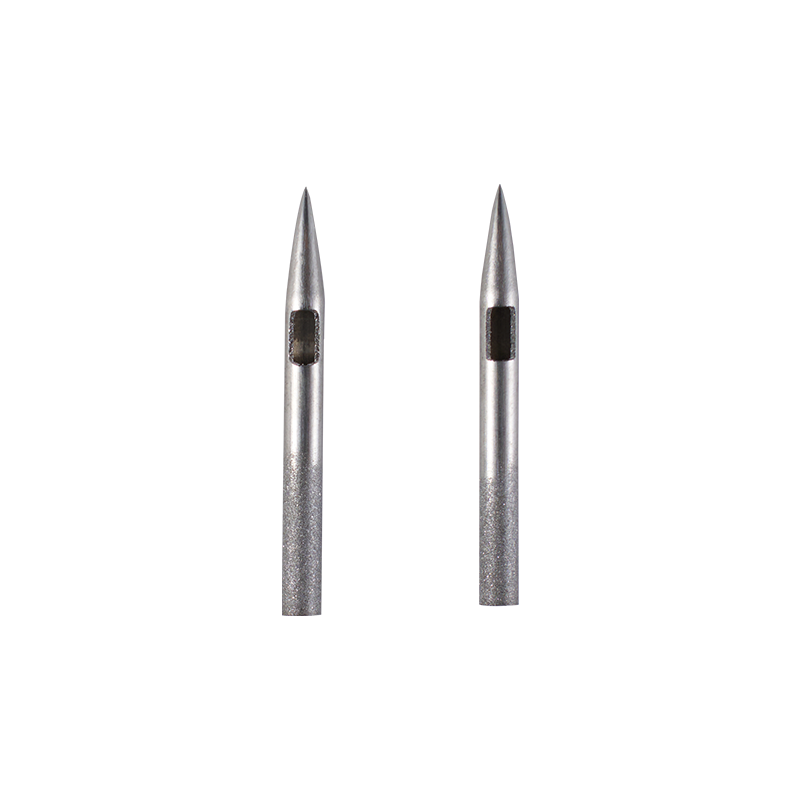
Outer diameter is one of the primary factors affecting puncture needle performance. A smaller outer diameter creates a smaller penetration point, which may be necessary when working with thin membranes, flexible seals, or small sampling areas. This helps maintain the structural integrity of the material and reduces stress around the puncture site.
Larger outer diameters increase structural strength, allowing the needle to resist bending or deformation when penetrating denser or thicker materials. This is especially important in industrial environments where puncture resistance is higher. However, increasing the outer diameter also increases penetration force requirements and may create larger openings in the material.
Selecting the correct outer diameter involves balancing penetration ease with mechanical strength. If the diameter is too small for the material being punctured, the needle may bend. If it is too large, it may affect the material structure or require unnecessary insertion force.
Inner diameter directly affects how fluid moves through the needle and into connected stainless steel capillaries. Larger internal diameters allow higher fluid flow rates, which may be necessary when transferring viscous fluids or when faster sampling is required. Smaller internal diameters allow more controlled fluid transfer, which may be beneficial when working with limited sample volumes or precision testing systems.
Fluid viscosity plays an important role in determining appropriate inner diameter. Thicker fluids require larger internal channels to maintain consistent flow, while low-viscosity fluids can move effectively through narrower channels.
The internal diameter must also remain consistent along the entire needle and capillary assembly. Dimensional irregularities may affect fluid movement and influence measurement consistency.
Needle length determines how deeply the needle can penetrate into a material or container to access fluid. Applications involving thick container walls, multilayer packaging, or deep sampling points require longer needles. However, longer needles must maintain structural rigidity to avoid bending during use.
Shorter needles provide greater structural stability because there is less unsupported length. This helps maintain alignment during penetration and reduces mechanical stress on the needle shaft. However, shorter needles may not reach deeper sampling points.
Matching needle length with application requirements helps ensure proper access without introducing structural instability. Selecting length based on actual penetration depth requirements prevents unnecessary mechanical stress.
Wall thickness determines the balance between structural strength and internal flow capacity. Thicker walls provide increased resistance to bending and deformation, making them suitable for penetrating denser materials or supporting repeated use.
Thinner walls allow larger internal diameters while maintaining the same outer diameter. This supports fluid transfer but requires careful handling because thinner walls are more sensitive to mechanical stress.
Stainless steel capillaries connected to the needle must also maintain appropriate wall thickness to support fluid transfer without structural compromise. Consistent wall thickness across both components helps maintain alignment and durability.
Selecting appropriate wall thickness depends on both mechanical stress conditions and fluid transfer requirements.
Material type significantly influences needle size selection. Different materials present varying levels of resistance during penetration, which affects needle diameter, wall thickness, and length requirements.
Key material-related considerations include:
Matching needle size with material properties helps maintain structural stability and penetration consistency.
Needle size must align with the internal dimensions of stainless steel capillaries to maintain consistent fluid movement. If the needle bore is significantly smaller than the capillary internal diameter, it may restrict fluid transfer. If it is significantly larger, connection compatibility may be affected.
Proper dimensional matching supports smooth fluid transition between components. This helps maintain consistent sampling and transfer performance.
Connector compatibility also plays a role. Secure connections prevent mechanical stress at the joint between the needle and capillary assembly. Structural alignment between components helps maintain long-term stability.
Wenzhou Kangyu Medical TREATMENT
+86-0577-86858771
+86-13957709138
No. 626 Airport Avenue, Longwan District, Wenzhou City, Zhejiang Province, China
Contact Us
