
 English
 Español



+86-0577-86858771
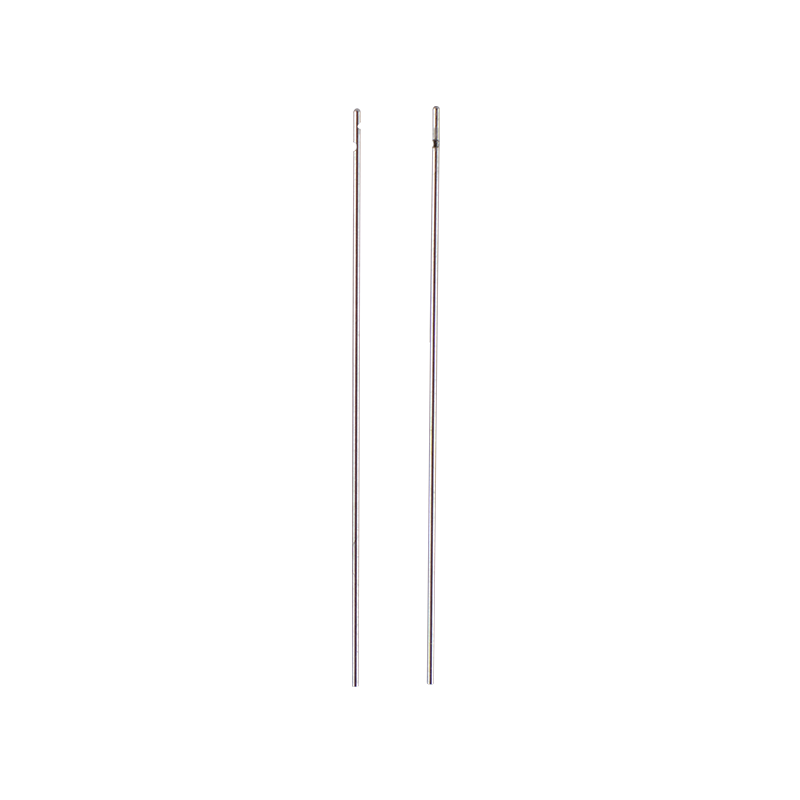
Medical facilities handling high-volume procedures rely on tools that combine consistency, precision, and flexibility. Industrial Needles and Various Fancy Needles play a central role in ensuring that equipment functions correctly and that processes maintain uniform standards. These needles are applied across multiple medical and laboratory contexts, from automated dispensing systems to complex assembly operations in device manufacturing. Their precise dimensions and consistent quality help reduce operational variability, supporting smoother workflows.
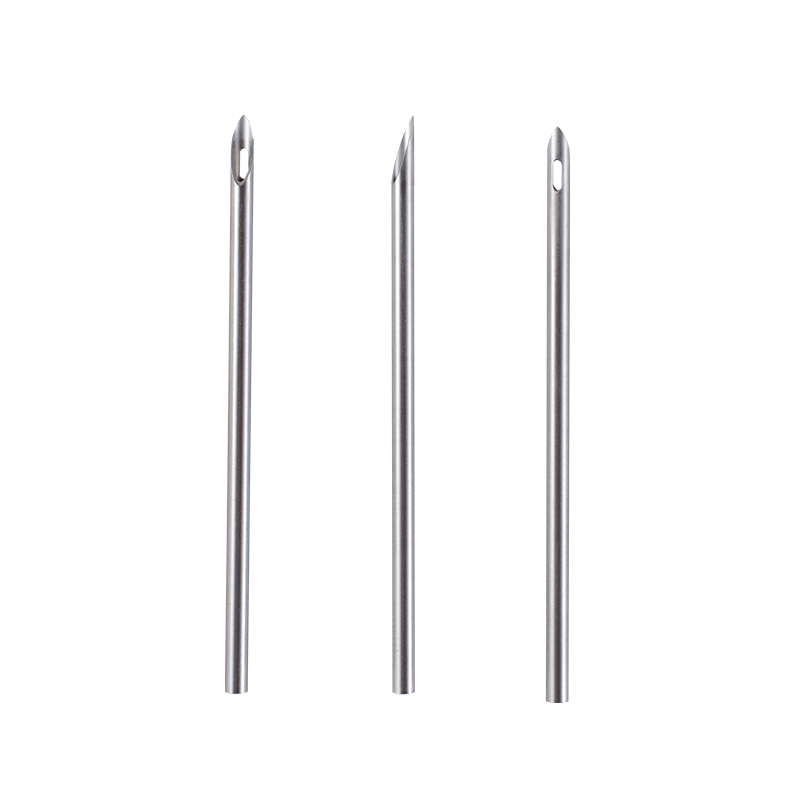
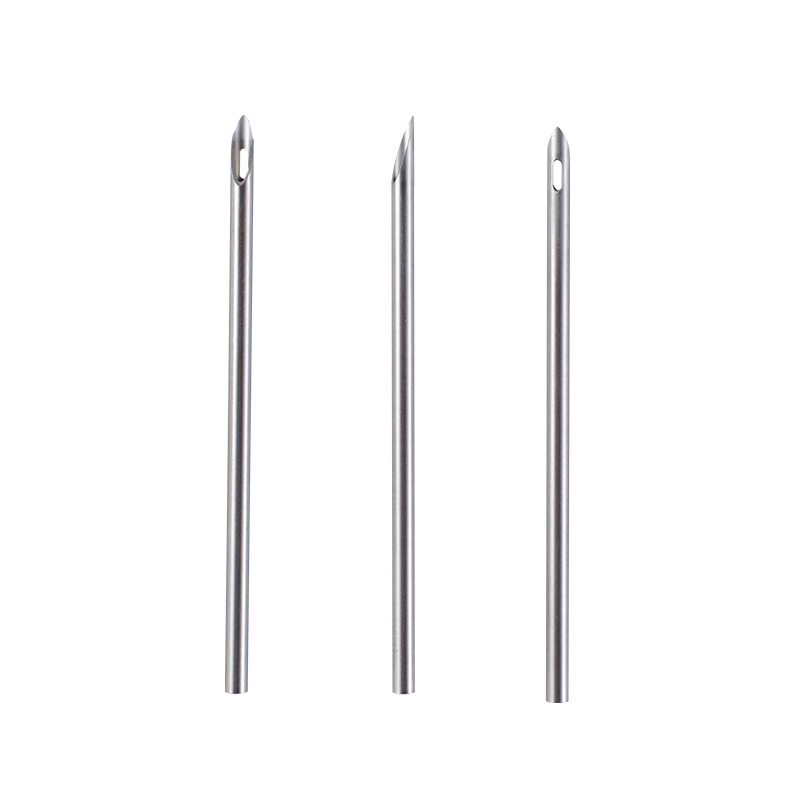
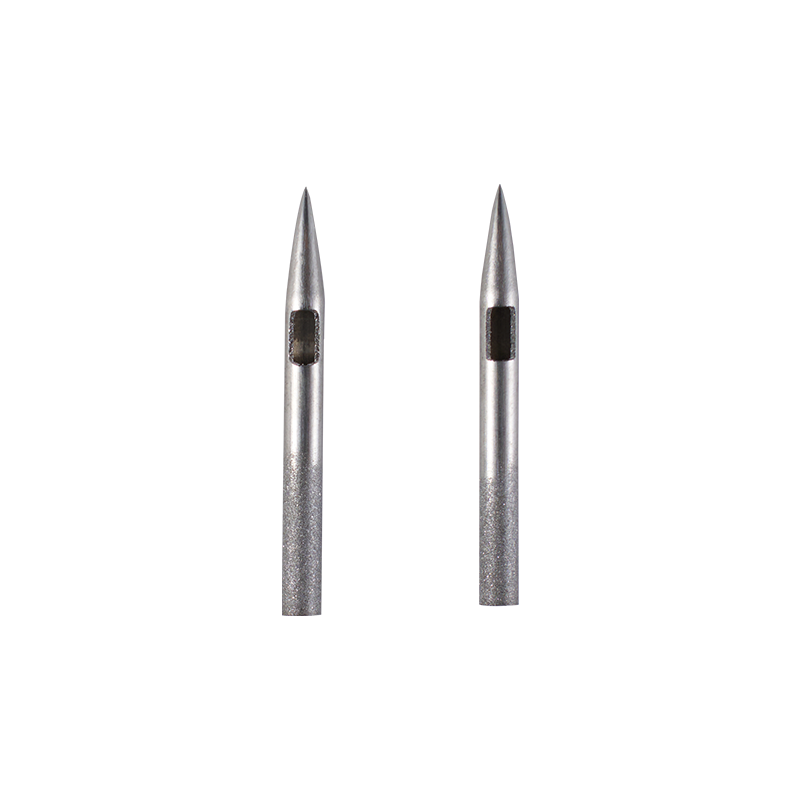
Industrial needles are not limited to a single function. They serve as key components in different equipment and systems, ensuring accurate delivery, puncturing, or guiding of fluids and materials. Applications include:
Fluid Dispensing Equipment: Needles ensure measured amounts of liquid are delivered in laboratory or production environments.
These applications illustrate how industrial needles contribute to consistent operation and procedural reliability without needing repeated adjustments.
Various Fancy Needles are designed with specialized features to meet specific operational requirements. Their shapes, tip styles, and materials can vary depending on the task at hand. For example, beveled tips can reduce resistance during insertion, while different diameters provide control over flow rates. Some fancy needles have features tailored for automated systems, while others suit manual operations in lab or clinical environments.
Proper installation and handling extend the usability of needles while maintaining procedural consistency. Aligning the needle correctly with its housing, avoiding unnecessary bending, and ensuring secure attachment are simple steps that reduce risk of malfunction. During operation, regular cleaning and inspection prevent blockages and maintain smooth flow of materials. Operators often benefit from standard operating procedures that detail needle replacement schedules and inspection routines.
Selecting the right needle depends on procedural requirements rather than brand or marketing claims. Considerations include the required gauge, tip shape, and length relative to the task. Additionally, evaluating the needle’s interaction with both the material it handles and the system it integrates with ensures predictable performance. Often, reviewing manufacturer specifications alongside procedural needs helps avoid issues related to compatibility or wear.
Q1: How often should industrial needles be replaced?
Replacement depends on usage frequency, material handled, and system compatibility. Routine inspection for bending, clogging, or surface wear is recommended.
Q2: Can various fancy needles be used interchangeably?
Interchangeability depends on the needle’s dimensions and tip design. Some fancy needles are task-specific, so replacing one with another may affect flow or insertion efficiency.
Q3: Are coated needles always better than uncoated?
Coated needles reduce friction in certain operations, but in some cases, uncoated stainless steel provides sufficient performance and easier cleaning.
Q4: How to prevent clogging during use?
Regular cleaning, correct storage, and selecting a needle compatible with the fluid or compound reduce clogging incidents.
Q5: Are specialized needles necessary for automated systems?
Automated systems may require needles with precise tolerances or reinforced structures to maintain consistent operation under repeated cycles.
Wenzhou Kangyu Medical TREATMENT
+86-0577-86858771
+86-13957709138
No. 626 Airport Avenue, Longwan District, Wenzhou City, Zhejiang Province, China
Contact Us
