
 English
 Español



+86-0577-86858771
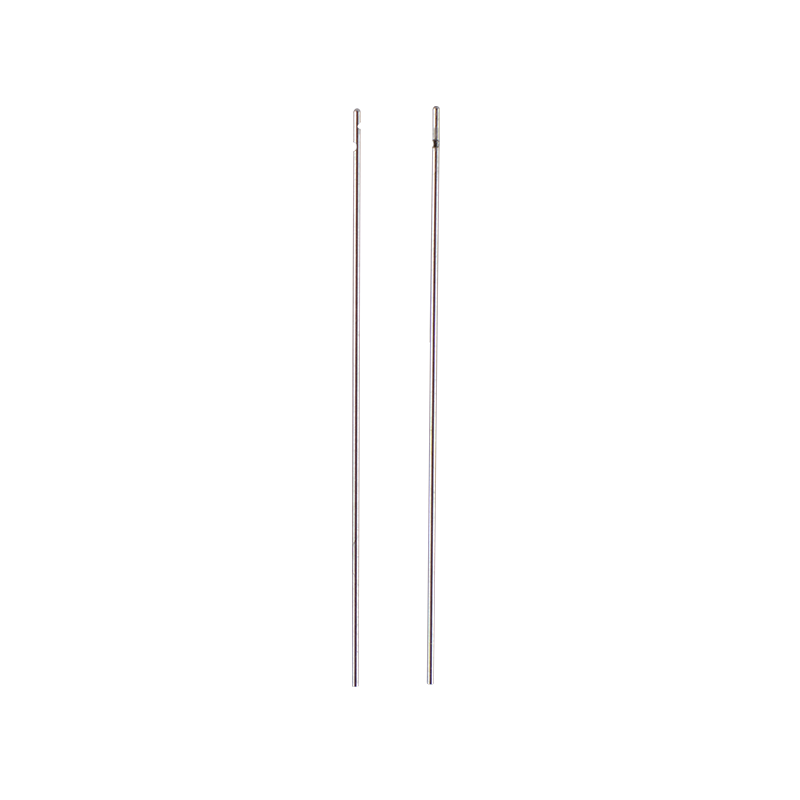
Medical procedures that require precision and controlled intervention often depend on specialized equipment. Various Fancy Needles and Industrial Needles provide the level of consistency and accuracy necessary for minimally invasive care. From targeted fluid delivery to fine tissue manipulation, these needles are integrated into multiple devices and systems used in hospitals, clinics, and laboratories. Their design considerations, material selection, and compatibility with specific procedures help ensure smooth operation while reducing potential variability in routine practices.
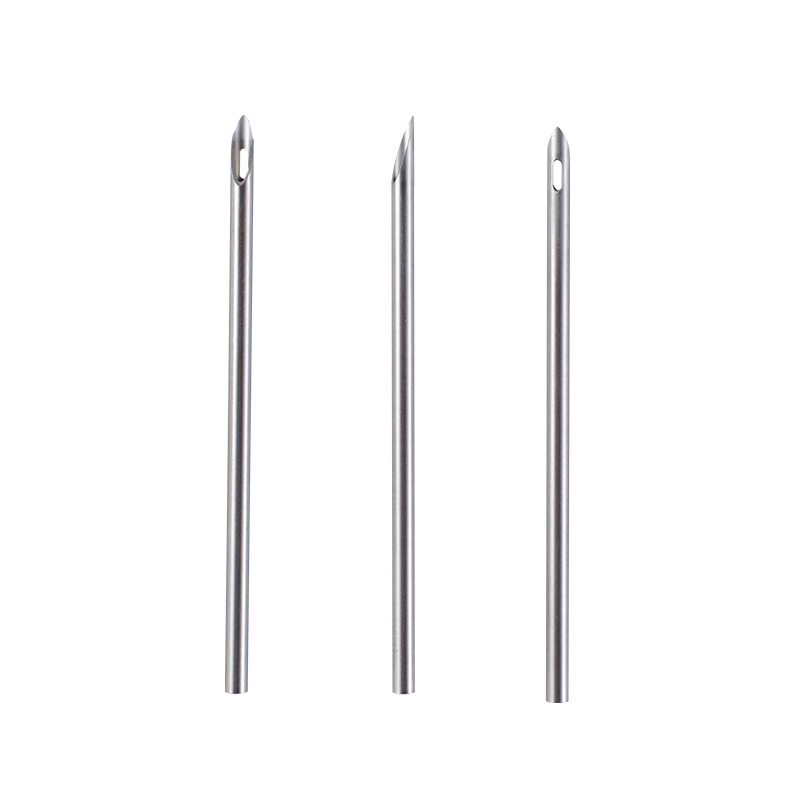
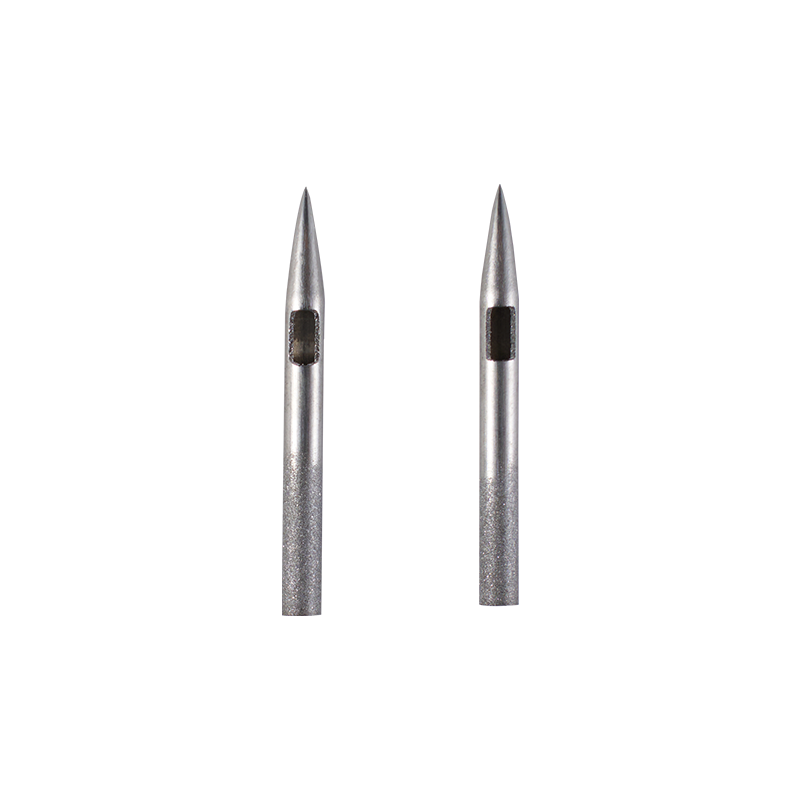
Various Fancy Needles are designed to accommodate specialized techniques. Their diverse shapes, tip styles, and dimensions allow practitioners to perform delicate procedures with more control. Typical uses include:
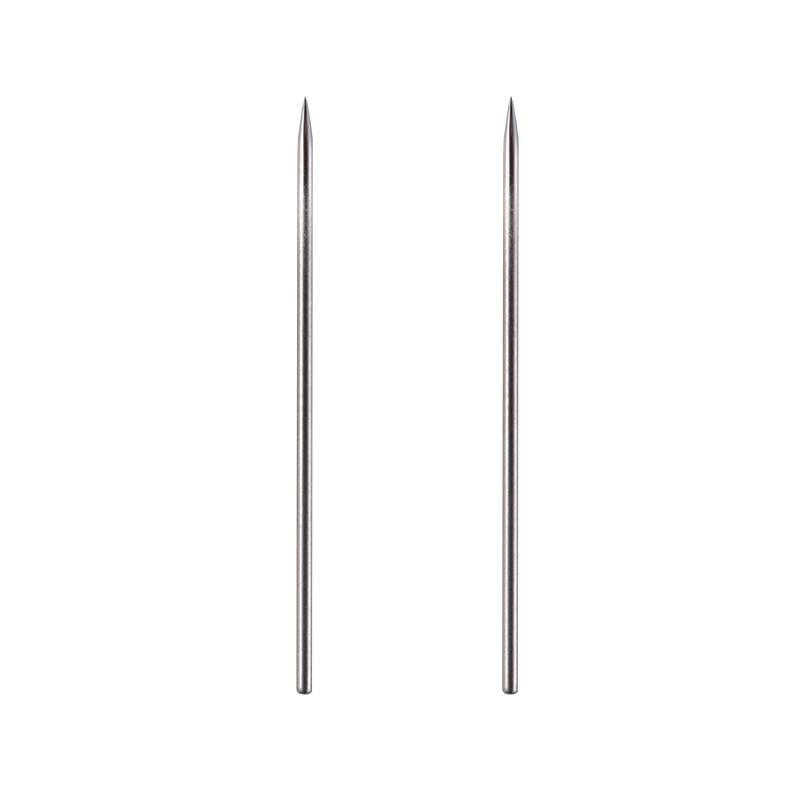
Needles vary in composition depending on their intended function. Common materials include stainless steel for its resistance to corrosion, coated metals to reduce friction, and specialized alloys for durability in automated systems. Tip geometry also influences performance: beveled tips can reduce resistance during insertion, while rounded or tapered tips may be preferred for certain procedures.
Proper handling is important for maintaining the needle’s functional consistency. Aligning needles correctly in their holders, avoiding unnecessary bending, and securing attachments help prevent malfunctions. Routine cleaning and inspections prevent accumulation or blockages, especially when used with viscous fluids or in repetitive cycles. Establishing clear operating procedures for replacement and inspection ensures needles remain suitable for ongoing use.
Selecting the correct needle requires consideration of procedural context rather than brand preference. Key factors include gauge, length, tip style, and compatibility with fluids or devices. Reviewing these aspects helps avoid operational issues and ensures predictable performance. In automated systems, attention to structural tolerances and material properties reduces interruptions during repeated use, while manual applications benefit from evaluating ease of insertion and flow control.
Q1: How often should fancy needles be replaced?
Replacement depends on usage frequency, material handled, and observed wear. Regular inspections for clogging, bending, or surface damage are recommended.
Q2: Can different types of fancy needles be used interchangeably?
Some needles are task-specific. Substituting a needle without checking its design or dimensions may affect flow or precision.
Q3: What materials are suitable for repeated fluid handling?
Stainless steel is widely used, while coated variants may help reduce friction. Material choice should match the medium being handled.
Q4: How can clogging be prevented?
Frequent cleaning, correct storage, and proper alignment with the system reduce the risk of blockages.
Q5: Is tip design important for minimally invasive procedures?
Yes, tip geometry affects resistance, accuracy, and smoothness of insertion. Selecting a tip suitable for the medium and procedure is important.
Q6: Do automated systems require special needle types?
Systems with repeated cycles may benefit from needles with precise tolerances or reinforced structures to maintain consistent operation.
Wenzhou Kangyu Medical TREATMENT
+86-0577-86858771
+86-13957709138
No. 626 Airport Avenue, Longwan District, Wenzhou City, Zhejiang Province, China
Contact Us
