
 English
 Español



+86-0577-86858771
Precision and consistency are essential in the production of sterile medical devices, where even minor deviations can affect outcomes. Industrial Needles and Various Fancy Needles play a critical role in ensuring smooth operation across manufacturing processes, particularly in applications that require controlled delivery, high accuracy, and repeatable performance. By integrating these needles into production lines, manufacturers can maintain steady throughput while adhering to hygiene and safety requirements.
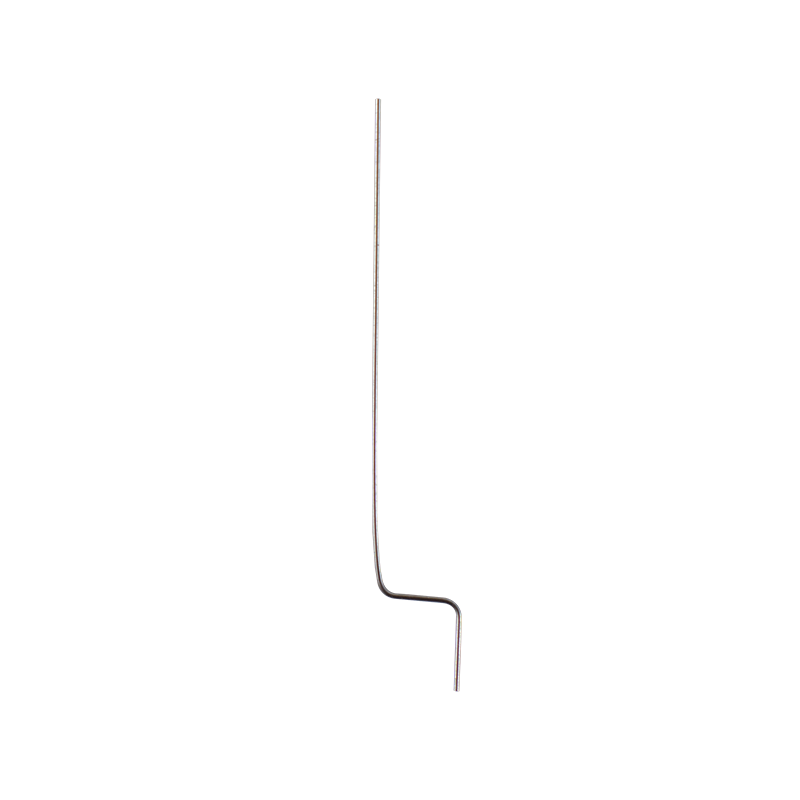
Medical device manufacturing often involves a variety of needle types, each suited for specific tasks. Various Fancy Needles include options such as beveled, conical, and micro-precision needles. These can be used in fluid transfer, injection molding, or precision dispensing systems. Key points to consider when selecting needle types include:
Choosing the correct needle ensures smoother flow, reduces the risk of blockages, and helps maintain uniformity in device production.
Maintaining a sterile environment is a central concern in medical production. Industrial needles are often handled in controlled cleanroom settings and must be sterilized before use. Proper storage, handling, and integration into automated equipment reduce the likelihood of contamination. It is also important to monitor environmental conditions, including humidity and airborne particulates, which can affect needle performance and sterility.
The design and material selection of needles influence production outcomes. Needles made from corrosion-resistant metals or coated with specialized finishes can withstand repeated use in automated dispensing equipment. The choice of a durable and stable needle ensures uniform fluid or material delivery, which contributes to consistent device quality. Additionally, standardizing needle specifications across different production stages simplifies maintenance and reduces operational variability.
Verify compatibility with automated dispensing or injection systems
Evaluate durability under repeated cycles
Assess ease of cleaning and sterilization
Monitor for wear or deformation that could impact flow or device accuracy
Q1: How do I select the right needle type for a specific medical device application?
A1: Consider the required fluid or material viscosity, tip geometry, and gauge. Choosing a needle that aligns with these factors ensures smooth flow and reduces the risk of clogs.
Q2: Can various fancy needles be reused in automated systems?
A2: Depending on material and coating, some needles can be reused after proper cleaning and sterilization. Always follow manufacturer guidelines for reuse and monitoring needle integrity.
Q3: How do I prevent contamination when handling needles?
A3: Handle needles with gloves, store them in sterile packaging, and integrate them into controlled cleanroom environments. Automated systems with enclosed channels can further reduce exposure risks.
Q4: What signs indicate a needle may need replacement?
A4: Visible wear, bending, or tip deformation can affect flow and accuracy. Regular inspection helps maintain consistent production.
Q5: How often should needles be checked during production runs?
A5: It depends on the cycle frequency and material used. Establish a monitoring schedule that balances operational efficiency with preventive maintenance to avoid unexpected interruptions.
Q6: Are there special considerations for needles used with sensitive fluids?
A6: Yes, using needles with smooth surface finishes or specific coatings can prevent reaction with the fluid and reduce residue accumulation, maintaining accurate delivery.
Wenzhou Kangyu Medical TREATMENT
+86-0577-86858771
+86-13957709138
No. 626 Airport Avenue, Longwan District, Wenzhou City, Zhejiang Province, China
Contact Us
