
 English
 Español



+86-0577-86858771
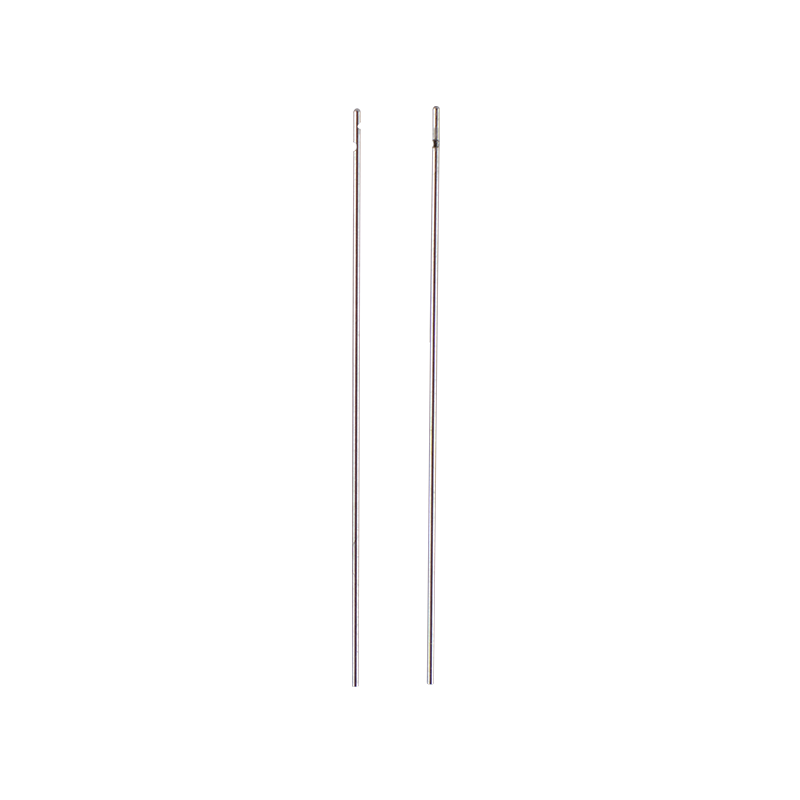
Medical procedures rely heavily on precision and controlled processes, and Industrial Needles, along with Various Fancy Needles play a central role in supporting these tasks. These needles are not only used in standard procedures but also in specialized applications where consistency and safety are essential. Understanding how these tools are applied can help clinical teams manage workflows, reduce potential risks, and maintain careful handling in various medical settings.

Industrial needles are designed for repeated use in controlled environments, providing consistency across tasks that require precise handling. They are commonly applied in areas such as laboratory sampling, infusion systems, and injection devices. Their design allows for secure penetration and fluid transfer while maintaining stability, which reduces unintentional movement that could affect the procedure.
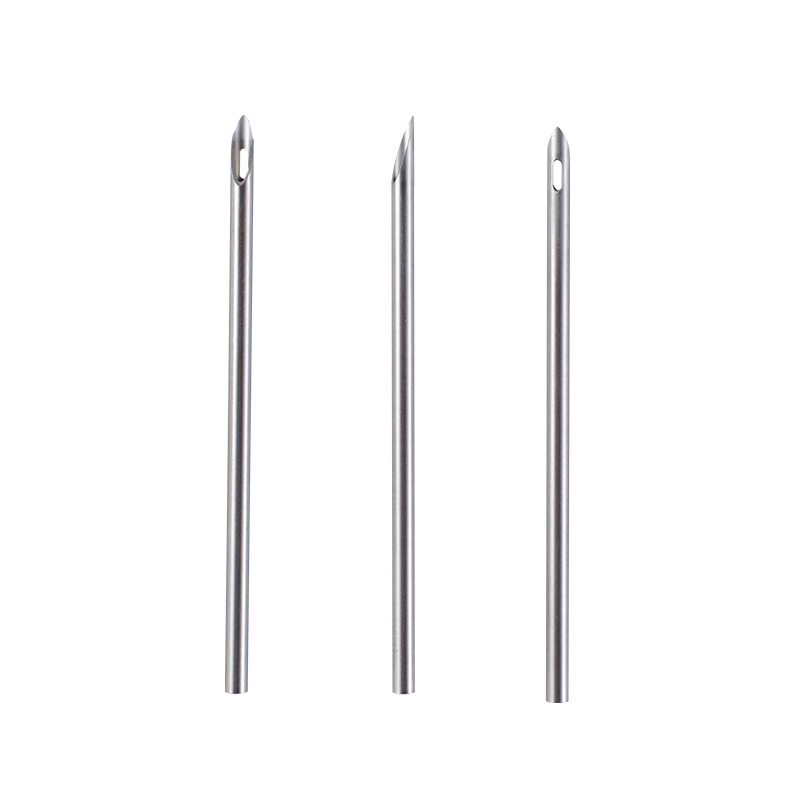
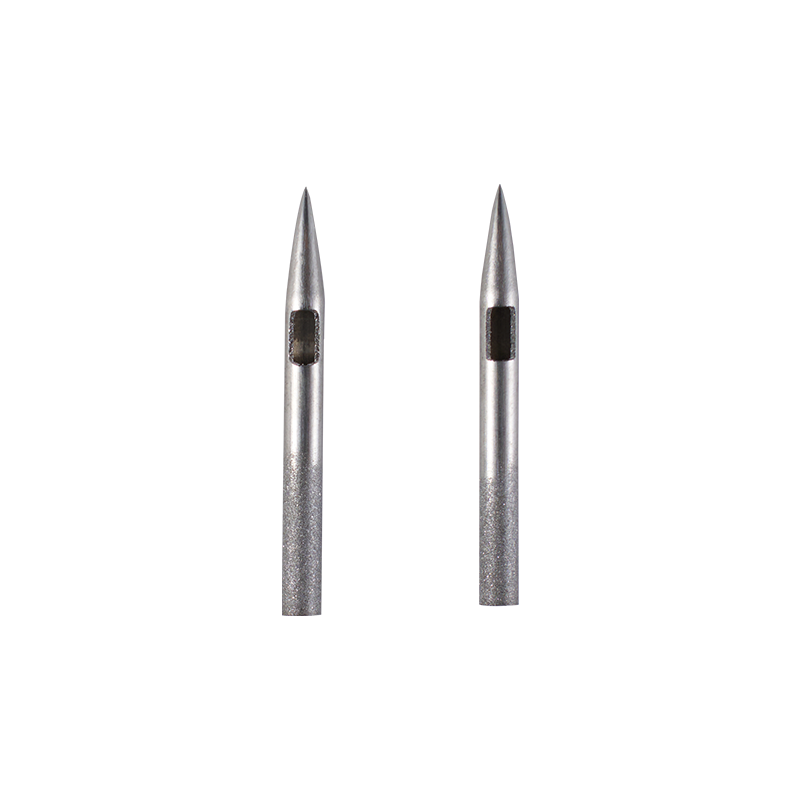
Various fancy needles offer distinctive shapes and configurations tailored for specific medical techniques. Their variations can include different gauges, tip designs, and curvature, which are selected based on the intended use. In minimally invasive procedures, these needles help clinicians access small or difficult-to-reach areas while maintaining control over tissue or fluid handling.
Long paragraph example: The use of fancy needles allows for procedures that demand nuanced control, such as delicate tissue sampling, precise chemical delivery, or specialized diagnostic applications. Their configurations can accommodate the specific viscosity of fluids, the depth of penetration needed, and the flexibility required in complex anatomical spaces. By selecting the appropriate type of needle, healthcare providers can complete tasks with reduced risk of deviation from procedural standards, which in turn supports overall clinical safety.

Proper handling and storage of both industrial and fancy needles play a vital role in maintaining their effectiveness and reducing the risk of injury or contamination. Needles should be stored in designated containers that maintain sterility and prevent accidental contact. Staff should follow standardized handling protocols, including careful disposal of single-use needles and routine inspection of reusable types for any signs of wear.
Ensuring that clinical personnel are trained in the selection and use of specific needles contributes to safer operations. Training should cover:
This practical understanding allows teams to incorporate these tools effectively into daily workflows while reducing incidents related to needle misuse or mishandling.
Q1: What types of procedures commonly use industrial needles?
A1: They are used in laboratory sampling, infusion delivery, sterile device production, and other routine medical procedures requiring precision.
Q2: How do various fancy needles differ from standard needles?
A2: Fancy needles have specialized tip designs, gauges, or curvature to accommodate unique procedural needs, such as accessing tight spaces or handling fluids of different viscosities.
Q3: Are industrial needles reusable?
A3: Some types are designed for controlled reuse after proper sterilization, while others are intended for single-use to maintain sterility.
Q4: How should needles be stored to maintain safety?
A4: Needles should be kept in sterile, designated containers, away from high-traffic areas, and single-use needles should be disposed of in approved sharps containers.
Q5: What training is recommended for healthcare personnel?
A5: Training should include needle selection, proper handling techniques, sterility maintenance, and awareness of procedural risks to enhance safety in clinical workflows.
Q6: Can fancy needles improve outcomes in minimally invasive procedures?
A6: Their specialized design supports controlled access and handling, which helps maintain procedural standards and careful management of tissues and fluids.
Wenzhou Kangyu Medical TREATMENT
+86-0577-86858771
+86-13957709138
No. 626 Airport Avenue, Longwan District, Wenzhou City, Zhejiang Province, China
Contact Us
