
 English
 Español



+86-0577-86858771
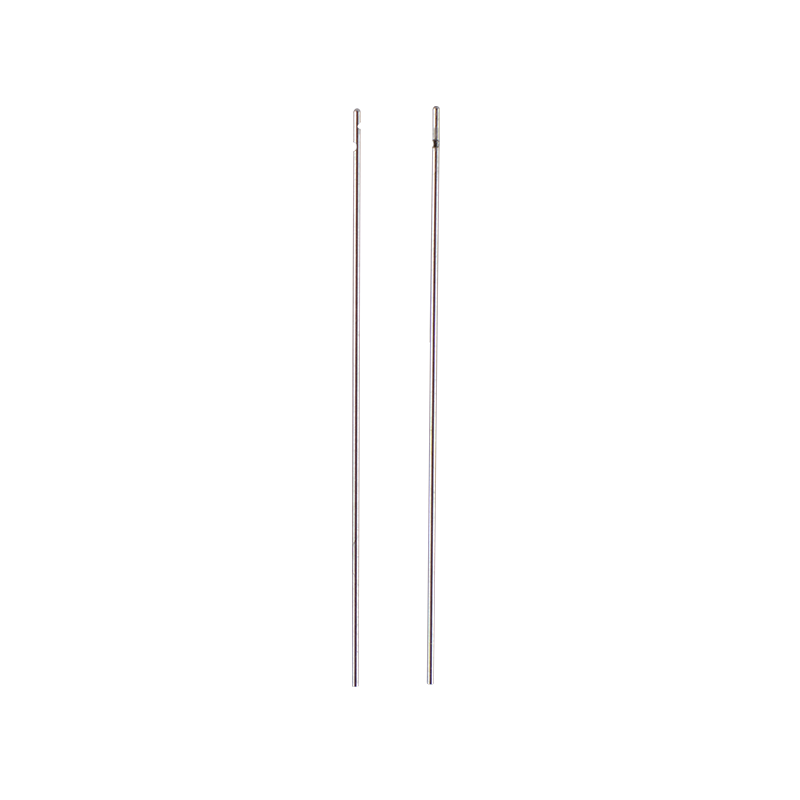
Fast-response treatment environments continue to place higher demands on fluid delivery accuracy, handling safety, and procedural efficiency. Stainless Steel Capillaries and Medical Needles are increasingly used together in emergency care devices where stable fluid transfer, controlled dosing, and consistent puncture performance are required during urgent medical procedures. From infusion systems to blood collection tools and portable diagnostic equipment, these components support medical staff in situations where quick operation and dependable material performance matter.
Emergency departments, ambulances, trauma centers, and temporary treatment facilities often work under changing patient conditions and limited preparation time. Under these circumstances, medical devices must support smooth fluid flow while remaining practical for storage, transportation, and disposal. Manufacturers are therefore focusing on thinner wall structures, corrosion-resistant materials, and precision processing methods that improve usability without adding unnecessary complexity to clinical workflows.

Emergency treatment procedures frequently involve intravenous therapy, medication delivery, blood sampling, and rapid fluid replacement. In these situations, even small interruptions in flow consistency can affect treatment timing or increase operational difficulty for healthcare workers. Devices that use Stainless Steel Capillaries help support narrow-channel fluid movement with reduced blockage risk, especially when fluids must travel through compact systems under controlled pressure.
Medical staff also face challenges related to patient diversity. Pediatric, elderly, and trauma patients may require different needle gauges, flow rates, and insertion techniques. A needle system that performs adequately in one situation may not suit another. As a result, healthcare facilities often seek components that can be adapted across multiple emergency applications without requiring major equipment changes.
Another concern involves repeated handling during high-volume patient intake. Emergency departments commonly process many patients within short periods, increasing the need for components that are easy to assemble, sterilize, package, and replace. Stainless steel materials are frequently selected because they tolerate cleaning processes, maintain dimensional stability, and resist surface degradation during storage and transport.
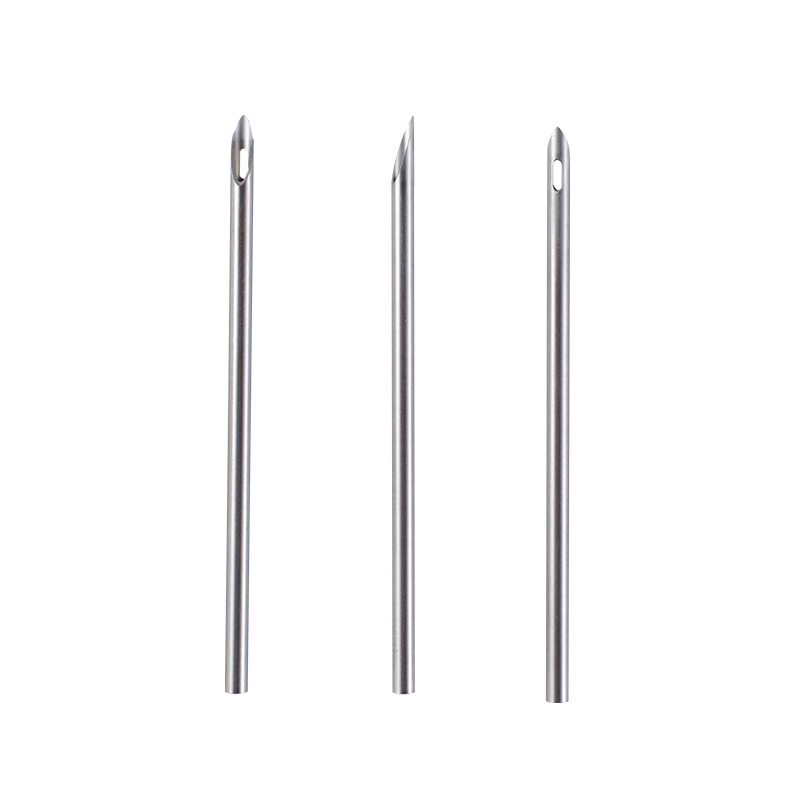
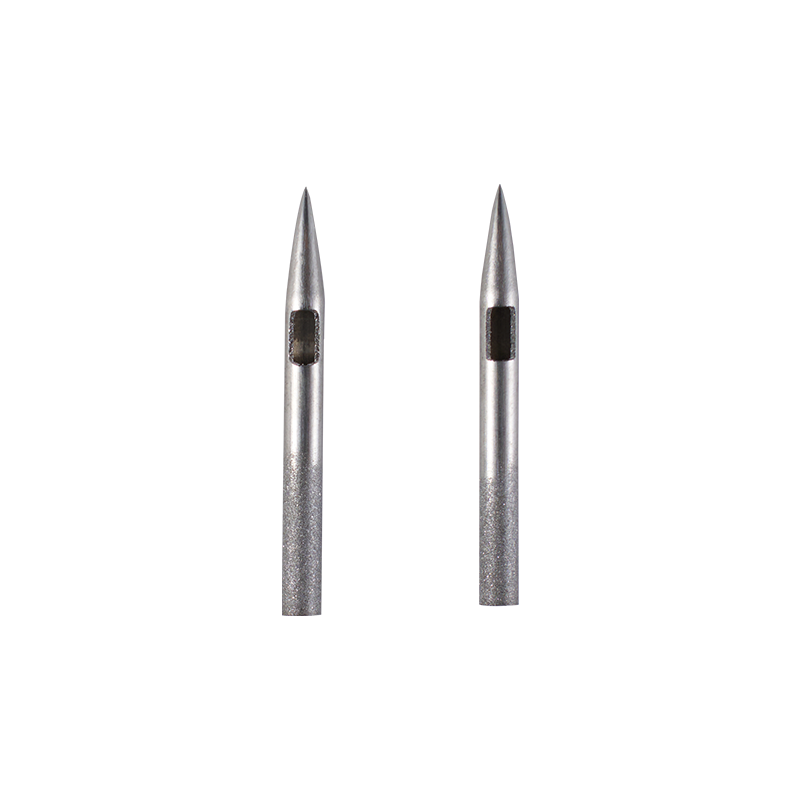
Recent developments in Medical Needles focus on balancing penetration efficiency with fluid stability and handling practicality. Manufacturers are adjusting bevel geometry, internal diameter precision, and wall thickness to support smoother insertion and more controlled fluid transfer. Stainless Steel Capillaries are often integrated into these systems because their narrow tolerances help maintain predictable liquid movement inside compact medical assemblies.
Several production adjustments are becoming more common in emergency-oriented needle systems:
These changes are not designed to dramatically alter medical practice but rather to improve consistency during routine emergency procedures. When healthcare workers repeatedly perform injections or fluid administration during long shifts, small improvements in handling comfort and fluid response can help support operational continuity.
Material Grade Typical Application Characteristics
|
Material Grade |
Typical Application |
Characteristics |
|
304 Stainless Steel |
General fluid transfer tubing |
Corrosion resistance and process flexibility |
|
316 Stainless Steel |
Infusion and surgical devices |
Higher resistance to chemicals and moisture |
|
316L Stainless Steel |
Precision medical capillaries |
Lower carbon content and smoother weld performance |
|
17-4PH Stainless Steel |
Structural medical fittings |
Higher mechanical strength for support components |
Material selection often depends on sterilization methods, required flexibility, wall thickness specifications, and contact conditions with fluids or medicines.
Modern emergency response systems are no longer limited to traditional hospital treatment rooms. Mobile clinics, field rescue stations, disaster-response facilities, and ambulance units now require compact medical devices capable of stable operation in changing environments. This has increased interest in lightweight fluid-control assemblies using precision Stainless Steel Capillaries.
Portable infusion pumps provide one example. These systems require narrow internal pathways capable of maintaining consistent fluid movement while resisting vibration during transportation. Capillary tubes with controlled internal diameters help support dosing accuracy inside compact equipment layouts.
Medical Needles used in emergency transport settings also require packaging considerations. Protective caps, sterilization sealing methods, and single-use disposal compatibility have become important purchasing factors for healthcare providers. Devices that reduce handling complexity can help lower preparation time during urgent patient care situations.
Blood collection equipment is another growing application area. Emergency diagnostics often rely on fast blood sampling procedures before laboratory testing or transfusion decisions. Needle assemblies with smoother internal channels may help reduce clot formation risks during collection and transfer processes.
In some respiratory treatment systems, stainless steel capillary structures are used within humidification control modules or gas-flow regulation assemblies. Their dimensional stability supports repeated use in equipment exposed to varying temperatures and moisture levels.
Wenzhou Kangyu Medical TREATMENT
+86-0577-86858771
+86-13957709138
No. 626 Airport Avenue, Longwan District, Wenzhou City, Zhejiang Province, China
Contact Us
