
 English
 Español



+86-0577-86858771
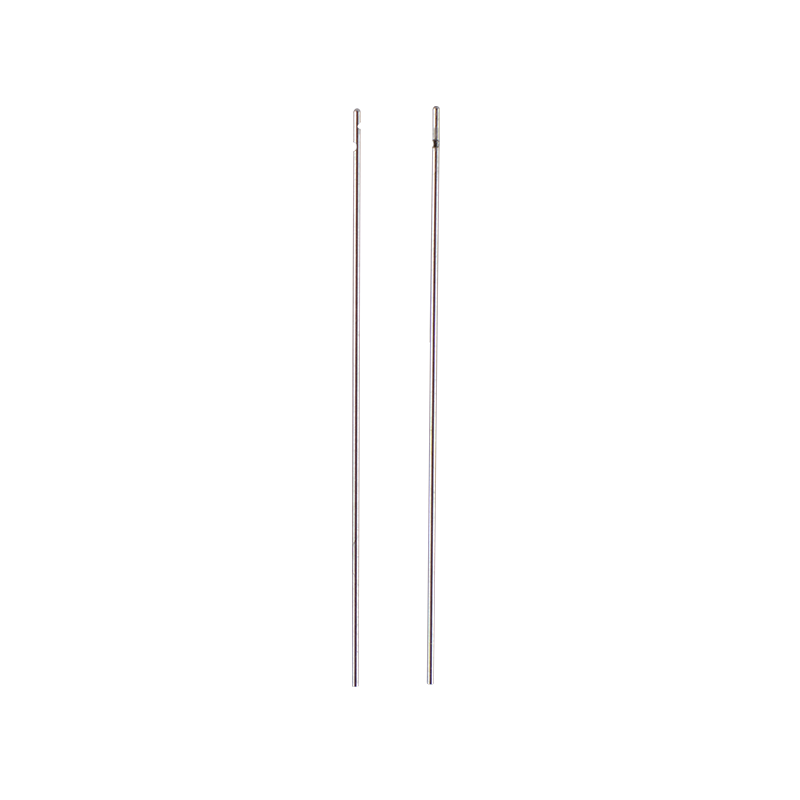
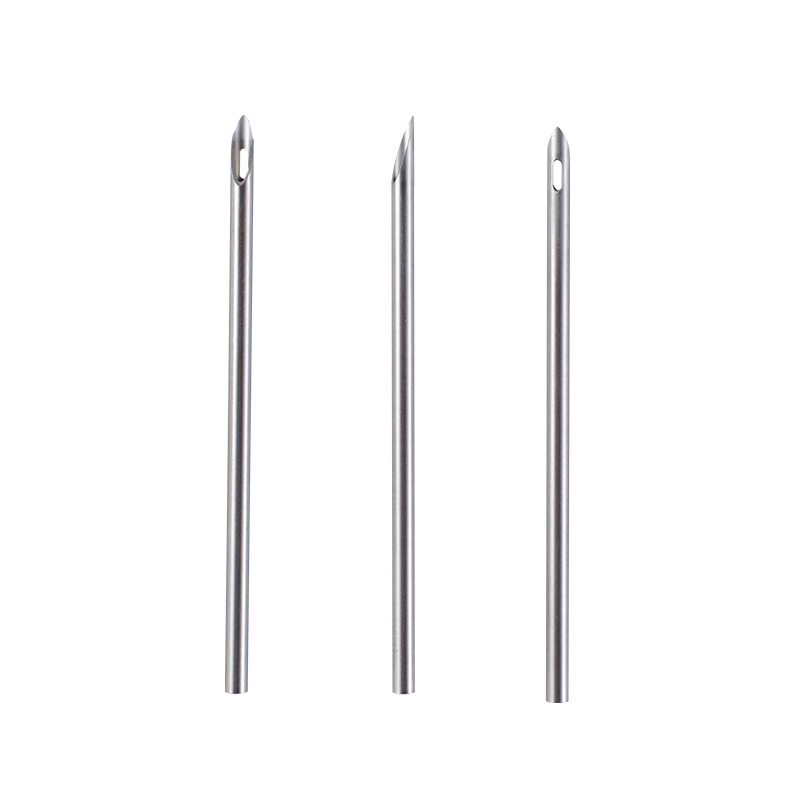
Compact healthcare technology continues to reshape patient monitoring and drug delivery systems, and Stainless Steel Capillaries are becoming increasingly important in this transition. In many wearable healthcare products, Medical Needles and capillary tubing work together to support controlled fluid movement, sample collection, and micro-dose delivery while maintaining compact device structures. As wearable medical devices become lighter and more portable, manufacturers are paying closer attention to tubing precision, corrosion resistance, and compatibility with long-term skin-contact applications.
Wearable healthcare equipment now appears in glucose monitoring systems, portable infusion pumps, insulin delivery tools, microfluidic testing platforms, and remote patient monitoring products. These devices require stable fluid transfer channels that can operate continuously under movement, temperature changes, and repeated daily use. Stainless steel capillary components are increasingly selected because they combine dimensional consistency with mechanical durability in small-scale assemblies.

Traditional medical equipment often has sufficient internal space for larger tubes, connectors, and pumps. Wearable medical devices operate under completely different limitations. Engineers must fit sensors, batteries, electronic components, and fluid transfer systems into compact housings without creating discomfort for users.
Small fluid channels create several engineering concerns. When tubing diameter decreases, the risk of flow instability, blockage, or pressure variation may increase. In wearable devices designed for continuous operation, even small inconsistencies in liquid transfer can affect monitoring accuracy or dosage consistency.
Another challenge involves motion. Unlike stationary hospital equipment, wearable products move with the patient throughout daily activities. Walking, exercise, bending, and temperature fluctuations may place stress on fluid transfer pathways. Plastic tubes sometimes deform under repeated pressure or environmental changes, especially in applications requiring narrow internal diameters.
Medical manufacturers also face sterilization requirements. Components must remain compatible with cleaning procedures, exposure to medical liquids, and long-term contact with biological environments. Material selection therefore becomes a key part of wearable device design rather than a simple production decision.
Recent developments in Stainless Steel Capillaries focus heavily on dimensional precision and surface quality. Medical device manufacturers increasingly request thin-wall structures with tightly controlled inner diameters to support consistent fluid transfer in compact assemblies.
Capillary tubes used in wearable products are commonly produced through precision drawing processes that help maintain stable wall thickness and smooth internal surfaces. Surface finishing also plays a role because irregular inner walls may influence liquid flow resistance or increase the possibility of residue accumulation.
The following table outlines several characteristics commonly considered when selecting capillary tubing for wearable healthcare equipment:
|
Feature |
Functional Purpose in Wearable Devices |
|
Thin-wall structure |
Supports compact product layouts |
|
Corrosion resistance |
Helps maintain compatibility with medical fluids |
|
Stable inner diameter |
Assists with predictable liquid flow |
|
Smooth internal surface |
Reduces fluid resistance during transfer |
|
Mechanical strength |
Supports repeated movement and bending |
|
Weld compatibility |
Allows integration with miniature assemblies |
|
Sterilization tolerance |
Supports cleaning and medical processing procedures |
In many applications, stainless steel materials such as 304 and 316 grades are used because they provide a balance between machinability, corrosion resistance, and structural consistency. Different material grades may be selected depending on exposure conditions, fluid composition, and assembly methods.
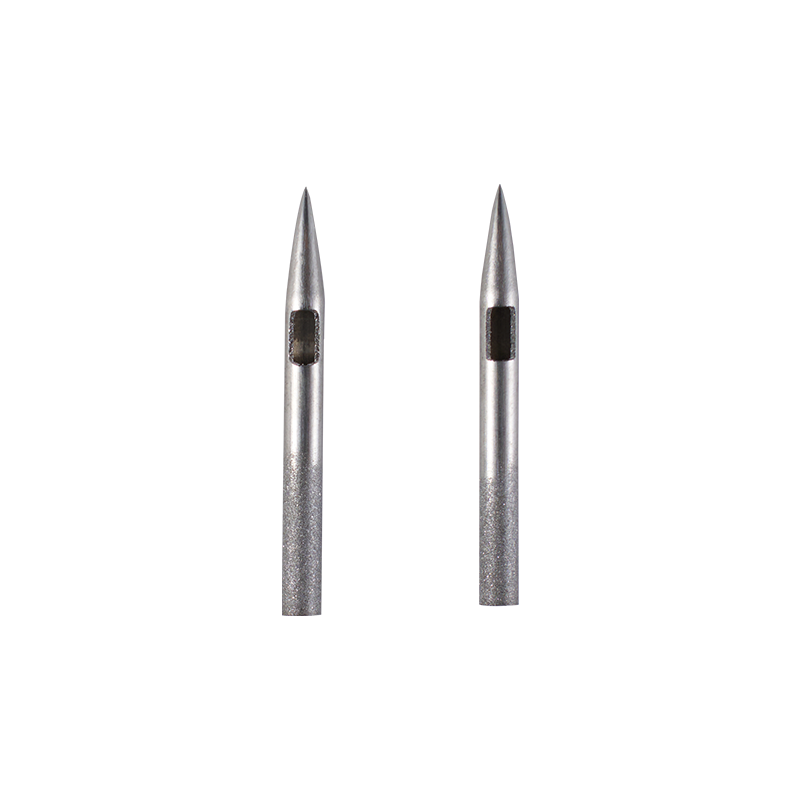
Medical Needles integrated into wearable infusion systems also depend on capillary precision. Needle assemblies designed for subcutaneous drug delivery often require smooth transitions between needle components and micro-scale tubing. Inconsistent dimensions may affect flow continuity or create assembly difficulties during manufacturing.
Some manufacturers are also introducing laser processing and automated inspection systems to improve dimensional monitoring during production. These technologies help identify deviations in tube diameter, concentricity, and surface quality before components enter medical assembly lines.
Wearable medical systems now serve a broader range of patient needs than in previous years. Continuous glucose monitoring devices are one of the more visible examples, but fluid transfer technology is also supporting portable hydration monitoring, ambulatory infusion therapy, and wearable diagnostic systems.
In insulin delivery devices, capillary tubing helps transport controlled amounts of medication between reservoirs and injection components. The tubing must remain stable despite continuous movement and repeated use over long periods. Stainless steel structures are often selected where dimensional stability is important for maintaining predictable flow conditions.
Portable infusion pumps used outside hospital settings also benefit from compact capillary systems. Patients managing chronic conditions at home may require lightweight equipment that can operate during normal activities. Smaller tubing layouts help reduce device size while supporting fluid transport within limited internal space.
Wenzhou Kangyu Medical TREATMENT
+86-0577-86858771
+86-13957709138
No. 626 Airport Avenue, Longwan District, Wenzhou City, Zhejiang Province, China
Contact Us
