
 English
 Español



+86-0577-86858771
Precise material penetration and controlled fluid transfer require careful coordination between Puncture Needles and Stainless Steel Capillaries, especially when working with materials that vary in thickness, elasticity, and structural composition. Industrial testing, laboratory sampling, and manufacturing processes often involve puncturing flexible membranes, elastomer seals, polymer containers, or multilayer materials. Each material type presents different mechanical resistance and structural characteristics, which means needle selection must consider geometry, diameter, wall thickness, and material compatibility. Understanding these factors helps users maintain consistent penetration performance while preserving the integrity of both the sampling tool and the target material.

Material hardness plays a major role in determining the structural requirements of a puncture needle. Softer materials such as rubber stoppers, silicone membranes, or thin polymer films require less penetration force. In these cases, needles with thinner walls and sharper bevel angles can pass through the material. This helps maintain seal integrity and reduces the likelihood of material tearing.
Harder materials, including dense plastics, laminated barriers, or reinforced elastomers, require stronger needle shafts and carefully controlled tip geometry. A thicker wall structure increases resistance to bending during penetration. The tip angle also affects how force is distributed during insertion. Sharper angles reduce resistance but require sufficient shaft strength to maintain alignment.
If the needle is too thin for the material being punctured, it may bend or deform. If it is too thick, it may require excessive insertion force, potentially damaging the material or affecting sample consistency. Matching needle geometry with material hardness helps maintain structural stability during penetration.
Elastic materials behave differently than rigid materials during penetration. Materials such as silicone, rubber, or flexible polymers stretch before allowing the needle to pass through. This behavior creates friction and compressive force around the needle shaft.
Needles used for elastic materials often require smooth surface finishes to reduce friction during insertion and withdrawal. Surface treatments such as polishing help reduce resistance between the needle and the material surface. Smooth transitions between the needle tip and shaft also support consistent penetration.
Elastic materials tend to reseal after penetration, which can be beneficial in applications requiring repeated sampling. However, repeated punctures in the same location may gradually affect material structure. Selecting appropriate needle diameter helps reduce stress on elastic materials and maintain seal functionality.
Wall thickness and outer diameter influence both strength and penetration behavior. Thin-wall needles provide larger internal diameters relative to outer size, which supports fluid transfer while maintaining relatively small penetration points. These are commonly used when sampling from thin films or soft containers.
Thicker wall needles offer increased mechanical strength, which may be required when penetrating multilayer materials or dense polymer barriers. The additional structural support helps prevent bending or deformation during insertion.
Stainless steel capillaries connected to puncture needles must also be selected based on fluid transfer requirements. Internal diameter affects flow rate, while wall thickness influences structural durability. Consistent dimensional accuracy supports stable fluid movement from the puncture point to analysis or collection systems.
Balancing strength and dimensional requirements ensures compatibility with both the material being punctured and the fluid handling system.
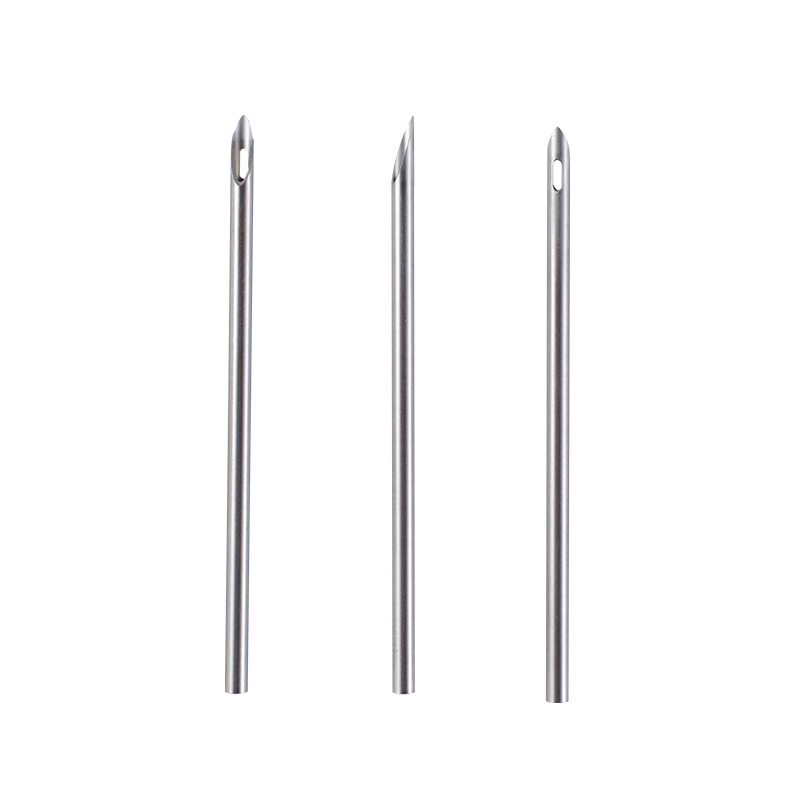
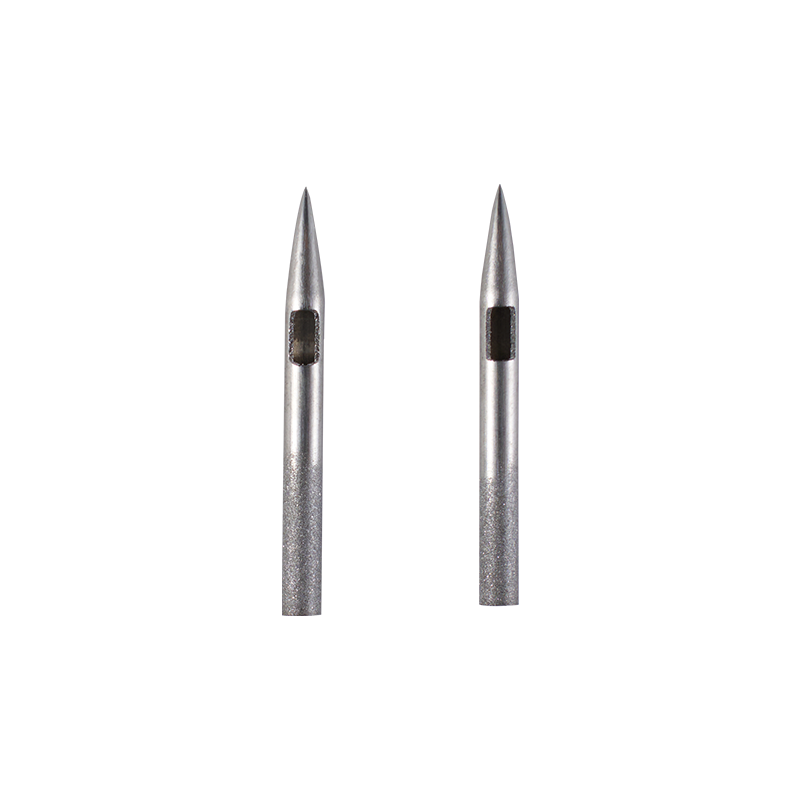
Tip design directly affects penetration efficiency and structural stability. Different materials respond differently to tip geometry, and selecting appropriate configurations helps maintain consistent performance.
Key tip design considerations include:
Selecting the appropriate tip configuration depends on balancing penetration efficiency with structural stability.
Wenzhou Kangyu Medical TREATMENT
+86-0577-86858771
+86-13957709138
No. 626 Airport Avenue, Longwan District, Wenzhou City, Zhejiang Province, China
Contact Us
