
 English
 Español



+86-0577-86858771
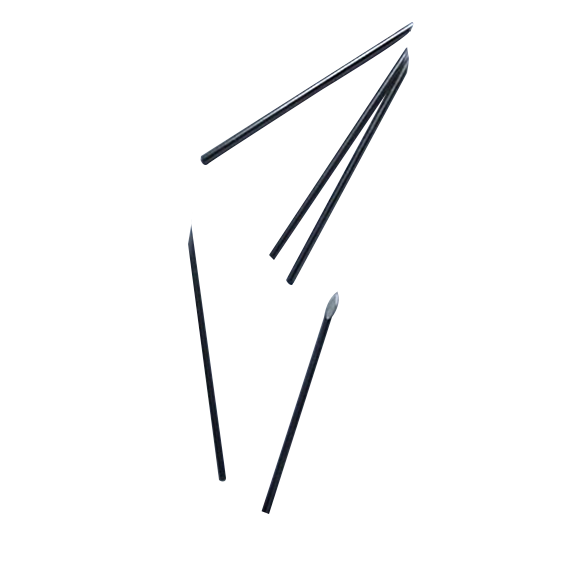
Many fluid handling and sampling systems depend on the long-term stability of Puncture Needles and Stainless Steel Capillaries, particularly when exposed to moisture, chemicals, or sterilization processes. Corrosion resistance is not simply a result of using stainless steel as a material; it comes from a combination of alloy composition, surface treatments, manufacturing precision, and environmental management. Understanding why stainless steel capillaries maintain structural stability over time helps users select suitable specifications and maintain consistent performance in medical, laboratory, and industrial environments.
A defining feature of stainless steel capillaries is the formation of a passive oxide layer on the surface, primarily composed of chromium oxide. This layer develops automatically when chromium in the alloy reacts with oxygen in the surrounding environment. Unlike rust on ordinary carbon steel, which weakens the material and spreads over time, the chromium oxide layer acts as a stable barrier that protects the underlying metal.
This passive layer is extremely thin, yet it prevents oxygen and moisture from penetrating deeper into the metal structure. If the surface is scratched or mechanically disturbed, the layer can reform when exposed to oxygen, helping maintain protection. This self-renewing characteristic plays an important role in applications where puncture needles and capillaries experience repeated handling or cleaning.
The effectiveness of this protective layer depends on maintaining sufficient chromium content in the alloy. Stainless steel typically contains at least 10.5% chromium, which allows this protective barrier to develop and remain stable under normal operating conditions.
The chemical composition of stainless steel significantly influences how well it resists corrosion. Elements such as chromium, nickel, and molybdenum contribute to structural stability and environmental resistance.
Chromium remains the primary contributor to corrosion resistance because it enables passive layer formation. Nickel enhances structural uniformity and helps maintain material flexibility, which reduces the likelihood of cracking under stress. Molybdenum improves resistance in environments containing chlorides, such as saline solutions or certain chemical fluids.
Lower carbon content in specific grades, such as 316L stainless steel, helps prevent carbide precipitation during welding or heat exposure. Carbide precipitation can create localized areas vulnerable to corrosion. By reducing carbon content, the alloy maintains a more uniform structure and reduces the risk of corrosion along grain boundaries.
These alloy characteristics allow stainless steel capillaries to maintain surface stability in a wide range of environments, including those involving frequent sterilization or fluid exposure.
Surface condition directly affects corrosion resistance. Smooth, uniform surfaces allow the passive oxide layer to form evenly, while rough or irregular surfaces may contain microscopic crevices where moisture or contaminants can accumulate.
Manufacturing processes such as precision drawing, polishing, and electropolishing help refine surface quality. Electropolishing removes microscopic irregularities and enhances surface uniformity, supporting consistent passive layer formation. This process also removes embedded contaminants that could otherwise act as corrosion initiation points.
Clean manufacturing environments also reduce the introduction of foreign particles. Residual iron particles from tooling or handling may create localized corrosion sites if not properly removed. Passivation treatments, which involve controlled chemical cleaning, remove surface contaminants and strengthen oxide layer stability.
Consistent surface treatment supports long-term structural stability, especially in applications involving fluid transport or repeated sterilization.
Although stainless steel capillaries offer corrosion resistance, environmental factors still influence their long-term condition. Exposure to aggressive chemicals, high humidity, or saline environments may gradually affect surface stability if conditions exceed material compatibility.
Chloride exposure represents one of the more common corrosion risks. Chlorides can weaken the passive oxide layer, particularly in environments with high concentrations or prolonged exposure. Selecting stainless steel grades containing molybdenum helps improve resistance under these conditions.
Temperature fluctuations may also affect corrosion behavior. Elevated temperatures accelerate chemical reactions, which may influence corrosion rates if protective layers are compromised. Maintaining stable operating conditions helps preserve material integrity.
Proper storage conditions help maintain surface stability before use. Clean, dry storage environments reduce the risk of contamination or moisture exposure that could affect surface quality.
Wenzhou Kangyu Medical TREATMENT
+86-0577-86858771
+86-13957709138
No. 626 Airport Avenue, Longwan District, Wenzhou City, Zhejiang Province, China
Contact Us
