
 English
 Español



+86-0577-86858771
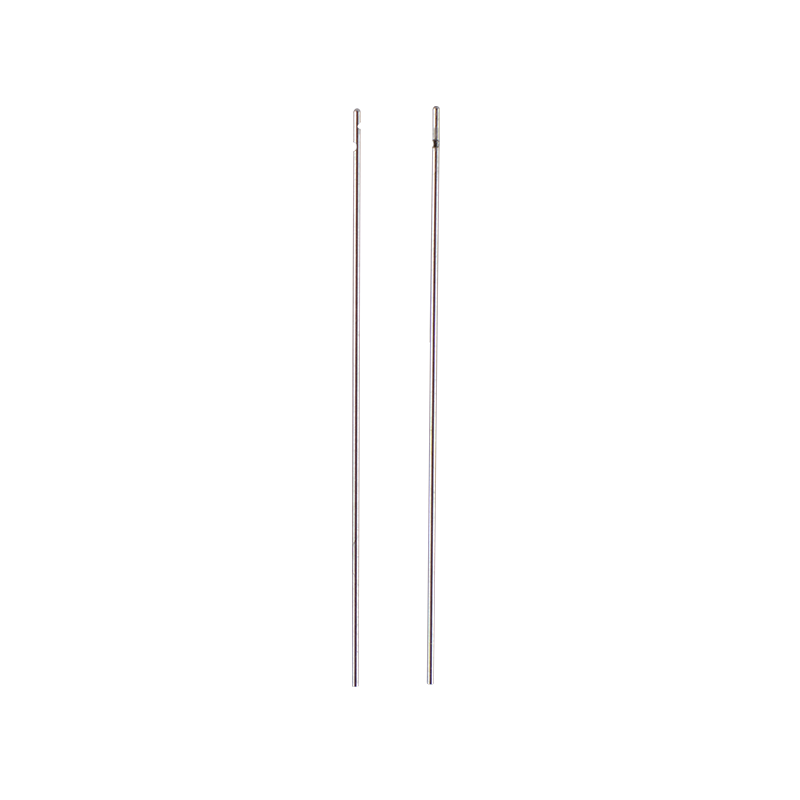
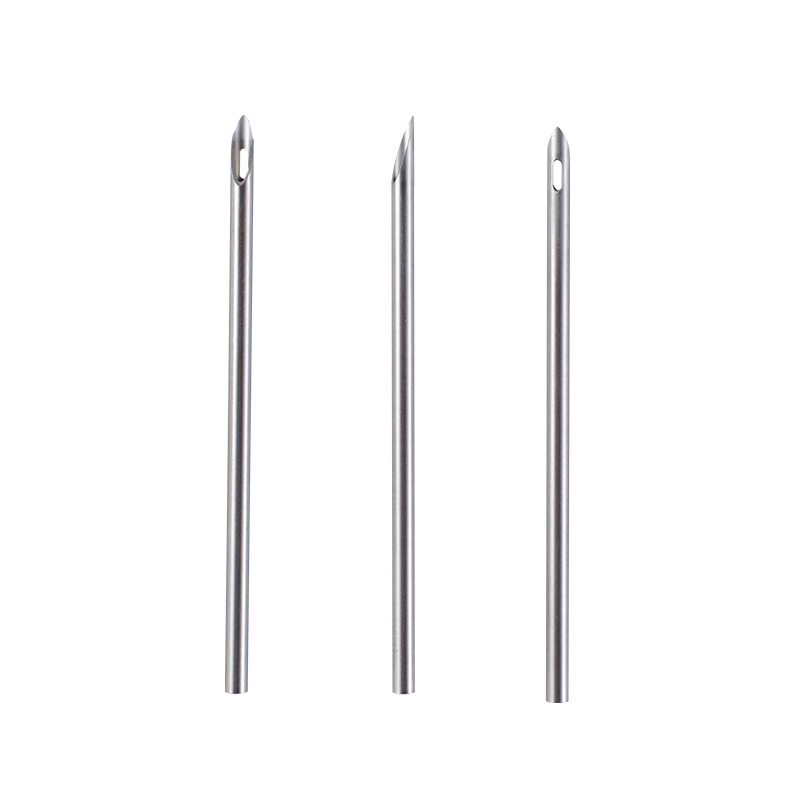
Medical and industrial sampling processes depend heavily on the structural integrity of Puncture Needles and the dimensional consistency of Stainless Steel Capillaries, as these components directly influence penetration efficiency, fluid transfer accuracy, and long-term usability. Whether used in blood collection systems, laboratory instruments, or precision dispensing devices, their performance is shaped by a combination of material properties, manufacturing methods, surface condition, and handling practices. Understanding these factors helps users make informed decisions when selecting components and maintaining them over time.
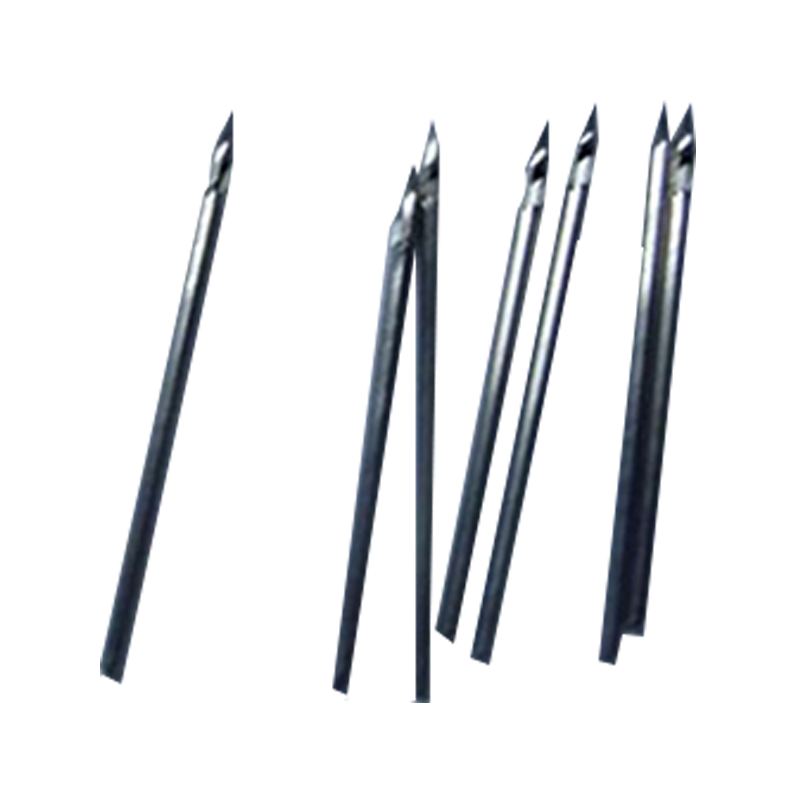
The type and quality of stainless steel used in puncture needles and capillaries determine their resistance to deformation, corrosion, and structural fatigue. Austenitic stainless steels such as 304 and 316 are widely used due to their balanced combination of strength, corrosion resistance, and manufacturability. The presence of chromium forms a passive oxide layer on the surface, helping protect against oxidation and chemical exposure, while nickel contributes to structural stability and resistance to cracking under stress.
Material purity also plays an important role. Inclusions, impurities, or inconsistent alloy composition can create localized weak points. During repeated use or exposure to mechanical stress, these imperfections may develop into cracks or structural defects. For applications involving aggressive chemicals or biological fluids, materials with higher corrosion resistance, such as 316L stainless steel, are often preferred due to their lower carbon content and improved resistance to intergranular corrosion.
Heat treatment and annealing processes further influence material characteristics. Proper heat treatment refines grain structure, improving ductility and reducing brittleness. This allows the needle or capillary to tolerate mechanical stress without premature failure. Improper thermal processing, on the other hand, may result in uneven hardness or residual stress, which can shorten service life.
Precision during manufacturing directly affects performance. Even small variations in wall thickness, inner diameter, or tip geometry can influence penetration force, fluid flow behavior, and structural durability. Advanced tube drawing processes help achieve tight tolerances in stainless steel capillaries, ensuring uniform internal channels and predictable performance in fluid handling systems.
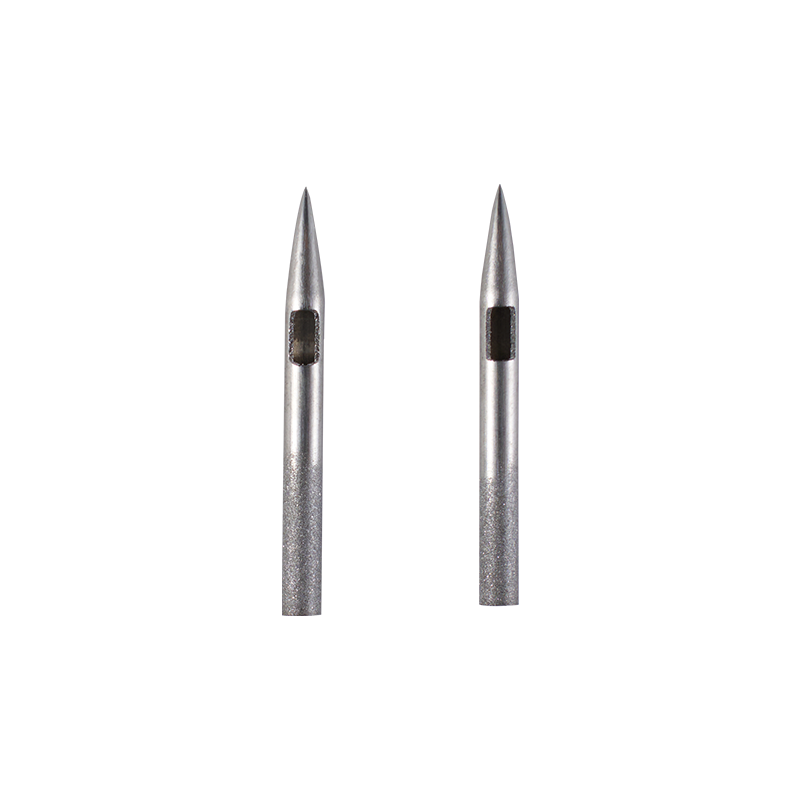
In puncture needles, the tip grinding process determines sharpness and penetration characteristics. Consistent bevel angles and smooth edges reduce insertion resistance and help prevent unnecessary deformation of the needle structure. If the grinding process is inconsistent, it can produce irregular edges that increase stress concentration, making the tip more susceptible to bending or wear.
Dimensional accuracy also affects compatibility with other components such as hubs, connectors, or instrument fittings. Improper fit can create mechanical stress during assembly or use, which may compromise structural integrity over time.
Surface quality influences both functional performance and long-term durability. Smooth surfaces reduce friction during insertion and fluid movement, which helps maintain structural stability and reduces wear. Surface roughness, even at microscopic levels, can increase resistance and create points where corrosion or contamination may develop.
Electropolishing is commonly used to improve surface smoothness and remove microscopic irregularities. This process not only enhances surface appearance but also strengthens corrosion resistance by improving the uniformity of the passive oxide layer. A smoother internal surface in stainless steel capillaries allows fluid to flow more consistently, reducing the risk of blockages or turbulence.
Surface coatings may also be applied in certain applications to reduce friction or enhance chemical resistance. However, coating uniformity and adhesion are critical. Poorly applied coatings may peel or degrade, potentially affecting performance or contaminating fluids.
The relationship between wall thickness and diameter determines mechanical strength and flexibility. Thicker walls provide higher resistance to bending and deformation, which may be suitable for applications involving higher mechanical loads. However, excessively thick walls reduce internal volume and may restrict fluid flow.
Thinner walls allow for larger internal diameters while maintaining overall dimensions, which may benefit fluid transfer efficiency. However, thin walls are more sensitive to bending forces and require careful handling. Selecting appropriate dimensions depends on the intended application, including penetration depth, fluid viscosity, and mechanical stress conditions.
The transition area between the needle shaft and the hub is another important design consideration. Smooth transitions distribute stress more evenly, reducing the risk of structural failure at connection points.
Wenzhou Kangyu Medical TREATMENT
+86-0577-86858771
+86-13957709138
No. 626 Airport Avenue, Longwan District, Wenzhou City, Zhejiang Province, China
Contact Us
