
 English
 Español



+86-0577-86858771
Medical Needles and Stainless Steel Capillaries are seeing wider attention as home-based treatment models continue to expand across routine care and long-term health management. The shift toward treatment outside clinical facilities has influenced how these components are selected, handled, and integrated into portable and simplified medical systems.
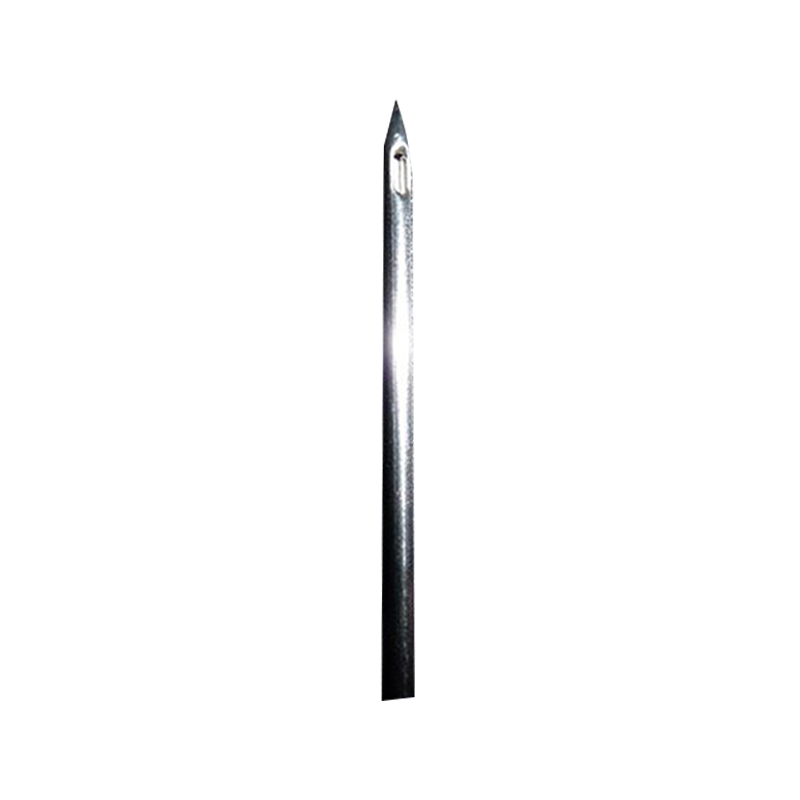
Home-based treatment has gradually become a common option for patients managing chronic conditions, post-operative recovery, or periodic monitoring routines. This shift is driven by changes in healthcare accessibility, aging populations, and the need for flexible care environments. Within this context, Medical Needles are no longer limited to hospital use, and Stainless Steel Capillaries are increasingly integrated into compact diagnostic and delivery devices designed for non-clinical settings.
One of the main challenges in home-based applications is maintaining procedural consistency outside controlled environments. Unlike clinical settings, home care involves varying levels of user experience, which can affect how fluid transfer systems are handled. In addition, storage conditions, handling frequency, and device reuse limitations all influence how components perform over time. These factors require designs that support stable operation even when used in less standardized conditions.
Another consideration is patient comfort and ease of handling. Devices used at home often need to reduce complexity in setup and operation, which places indirect pressure on the design of needles and capillary systems to function predictably without frequent adjustment.
As demand for home-based treatment increases, Medical Needles and Stainless Steel Capillaries have been adapted to support more compact, user-oriented configurations. These adjustments are not about changing core functionality, but about improving consistency and handling in varied environments.
Common structural considerations include:
Stainless steel materials continue to be used due to their structural stability and ability to maintain geometry during repeated sterilization or controlled single-use manufacturing processes. In home applications, this stability supports consistent performance even when devices are stored or transported between uses.
Medical Needles and Stainless Steel Capillaries are now commonly integrated into several home healthcare scenarios. In subcutaneous drug delivery systems, needles are used for controlled administration of medication, often on a scheduled basis. The predictability of flow behavior becomes important in ensuring that the process remains manageable for non-professional users.
In home diagnostic devices, capillary structures guide small fluid samples into test cartridges. These systems rely on stable internal flow channels to ensure that sample volumes remain consistent across repeated use. In glucose monitoring systems, for example, capillary components assist in transferring micro-volume blood samples into analysis chambers.
Other applications include home infusion support systems and portable laboratory-style testing kits. These setups often combine pre-assembled needle units with stainless steel capillary pathways to simplify handling steps. The goal is to reduce procedural complexity while maintaining controlled fluid movement across different usage conditions.
Reports from home care environments indicate a gradual increase in reliance on pre-assembled needle and capillary modules. One observed pattern is the preference for systems that require fewer manual adjustments during setup, which reduces handling variability across different users.
In comparative usage tracking, devices incorporating standardized stainless steel capillary channels tend to show more consistent sample transfer behavior over repeated cycles. For example, in home glucose monitoring systems, variations in sample uptake volume have been observed to remain within a narrower range when capillary pathways are structurally uniform. While exact values depend on device configuration, this consistency supports more stable day-to-day operation.
Another observation relates to consumable replacement frequency. In home treatment settings, components that maintain consistent internal flow characteristics are less likely to require early replacement due to irregular performance. This contributes to more predictable maintenance schedules for users managing long-term treatment routines.
The growing use of Medical Needles and Stainless Steel Capillaries in home-based treatment reflects a broader shift in healthcare delivery structures. As care extends beyond hospitals and clinics, component design needs to account for varied usage environments and non-professional handling conditions.
From a system perspective, this shift encourages standardization of small-scale fluid transfer components. When needle and capillary performance becomes more consistent across devices, it becomes easier to design modular treatment systems that can be deployed in both clinical and home settings.
Manufacturers are also adapting production approaches to support higher consistency in micro-scale components. This includes tighter control over internal geometry and improved inspection of flow pathways. These adjustments support the growing need for compatibility across different types of home medical devices without requiring major changes in user behavior.
Wenzhou Kangyu Medical TREATMENT
+86-0577-86858771
+86-13957709138
No. 626 Airport Avenue, Longwan District, Wenzhou City, Zhejiang Province, China
Contact Us
