
 English
 Español



+86-0577-86858771
High precision in medical procedures, whether in delicate tissue sampling, targeted drug delivery, or minimally invasive surgery, relies on instruments that offer consistency, durability, and exacting specifications. While the final tools used in clinical settings are specialized medical needles, the foundational technologies and manufacturing disciplines that enable their performance frequently originate in the industrial sector. The attributes developed for demanding industrial applications can provide significant support in the creation and execution of high-precision medical tasks, bridging the gap between advanced engineering and clinical application.
The performance of any precision needle begins with its material composition. Industrial needles developed for applications in aerospace, micro-electronics, or advanced filtration are often constructed from specialized alloys, high-performance steels, or engineered polymers. These materials are selected for properties such as high tensile strength, corrosion resistance, fatigue endurance, and dimensional stability under stress. For high-precision medical tasks, these material characteristics translate into needles that can maintain a sharp cutting edge, resist deformation during complex navigation through tissue planes, and ensure compatibility with sensitive biologics or therapeutics. The material science pipeline from industrial applications provides a tested foundation upon which medical device specifications can be reliably built.
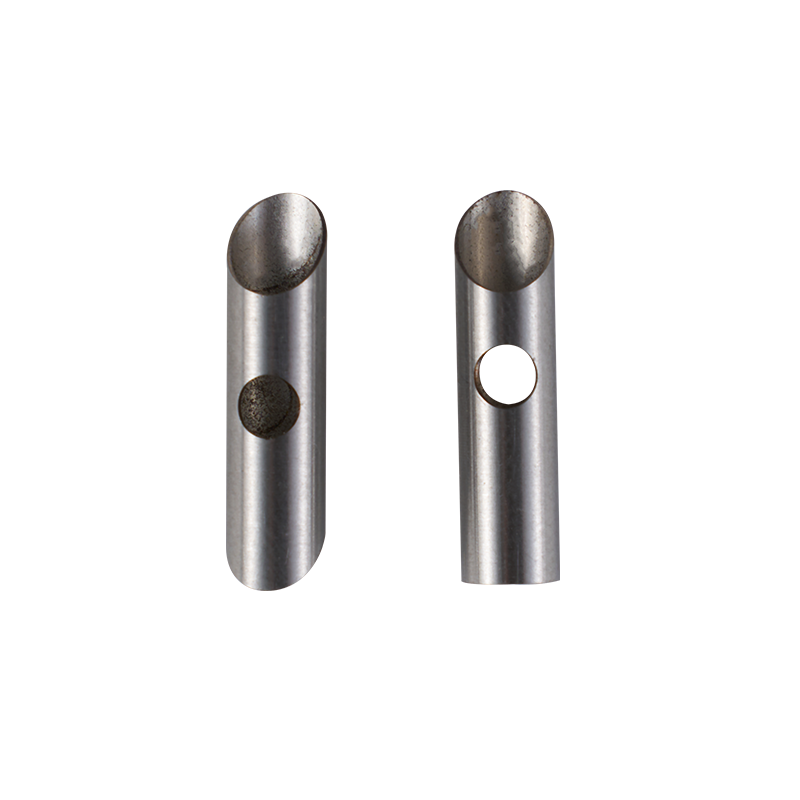
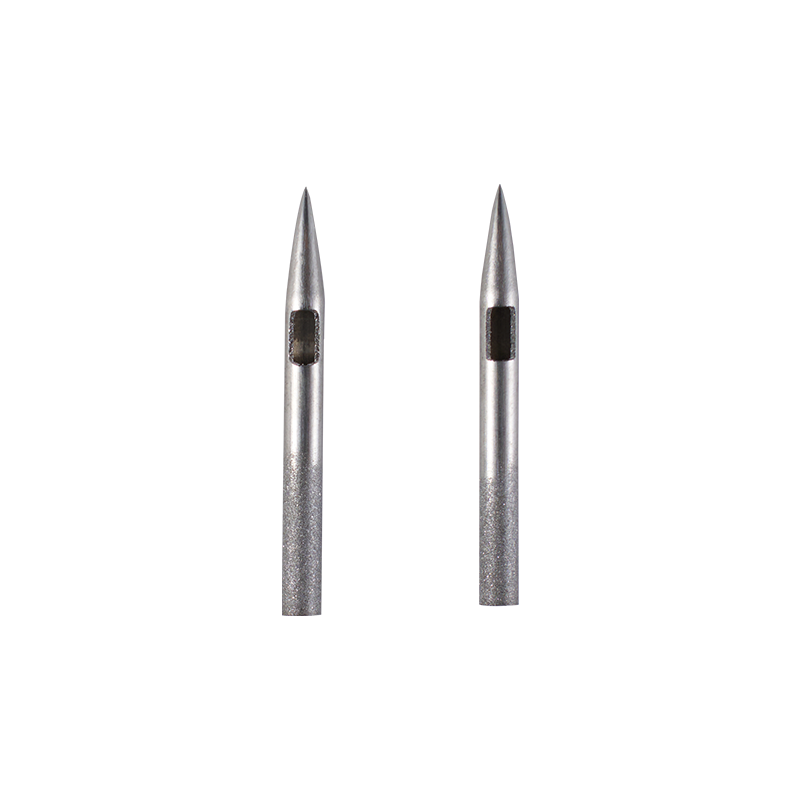
Precision in medicine is fundamentally linked to predictability and repeatability. A key contribution from industrial needle manufacturing is the achievement of exceptionally tight dimensional tolerances. Utilizing processes like precision grinding, laser micromachining, and electrochemical etching, industrial producers can fabricate needles with inner and outer diameters, wall thicknesses, and tip geometries held to micron-level consistency. This manufacturing rigor supports high-precision medical tasks by ensuring that each needle behaves identically. Consistent flow dynamics for fluid delivery, uniform tissue penetration characteristics, and predictable mechanical performance in automated or robotic systems all depend on this level of manufacturing control originally honed in industrial settings.
Industrial needles are engineered to solve specific mechanical problems: delivering a sealant to a microscopic point, sampling fluid from a high-pressure system, or penetrating a composite material without causing delamination. This engineering mindset, focused on overcoming a tangible functional challenge, is directly applicable to medical design. A tip geometry developed for clean substrate penetration can inform designs for atraumatic tissue access. A multi-port needle designed for distributing adhesive in a pattern may offer insights for novel drug-eluting stent deployment. By analyzing and adapting solutions from industrial challenges, developers can address complex medical task requirements, such as accessing difficult anatomical sites or performing simultaneous irrigation and aspiration with a single instrument.
Many high-precision medical tasks are increasingly performed with robotic assist devices or automated laboratory equipment. These systems require components that are not only precise but also readily integrable and available in consistent batches. Industrial needle manufacturers often possess expertise in supplying components for automated assembly lines and complex machinery, understanding the importance of seamless integration, standardized packaging, and scalable supply. This experience supports the medical field by providing components that fit precisely into next-generation surgical robots, high-throughput diagnostic analyzers, or continuous pharmaceutical manufacturing systems, ensuring both mechanical compatibility and logistical reliability.
Supporting high-precision tasks requires more than just producing a needle; it necessitates a verifiable and controlled production environment. Industrial sectors often operate under rigorous quality management systems, employing advanced metrology and statistical process control to monitor every production step. Techniques such as automated optical inspection, force testing, and functional flow testing provide objective data on every batch. When applied to components destined for medical consideration, this established culture of validation and documentation creates a traceable and auditable pathway from raw material to finished component, building a framework of confidence that is essential for any instrument used in a critical medical application.
Wenzhou Kangyu Medical TREATMENT
+86-0577-86858771
+86-13957709138
No. 626 Airport Avenue, Longwan District, Wenzhou City, Zhejiang Province, China
Contact Us
