
 English
 Español


+86-0577-86858771
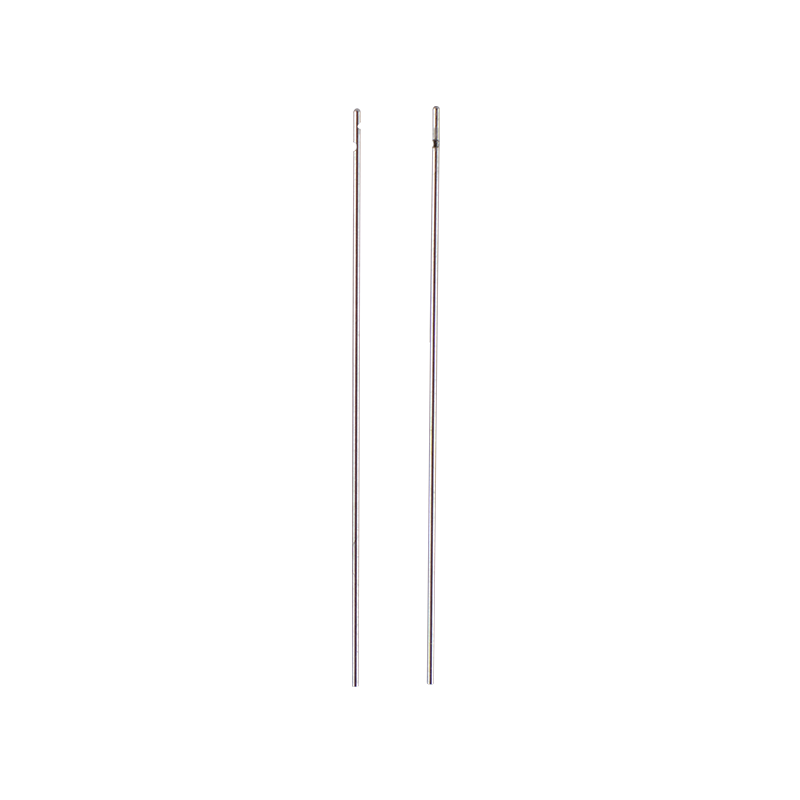
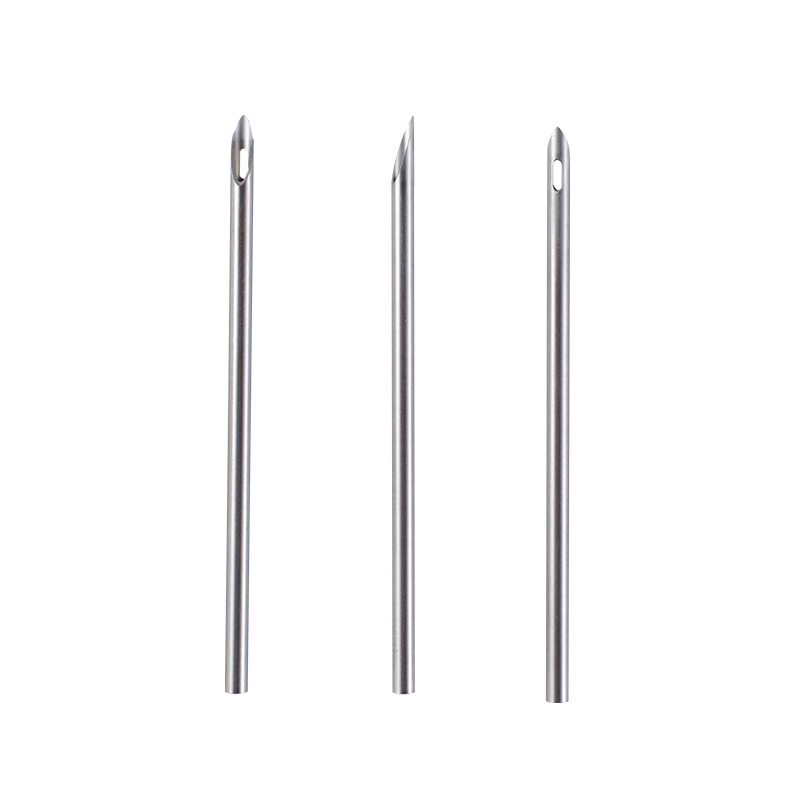
The use of Solid Medical Needles and Puncture Needles in clinical environments requires careful attention to handling procedures to maintain safety and efficiency. These instruments, essential in tasks ranging from injections and blood collection to specialized medical treatments, are subject to wear, environmental changes, and procedural variability. Clinics may need to reassess their handling protocols under certain conditions to ensure that both healthcare staff and patients are protected, and that the instruments function as expected during procedures.

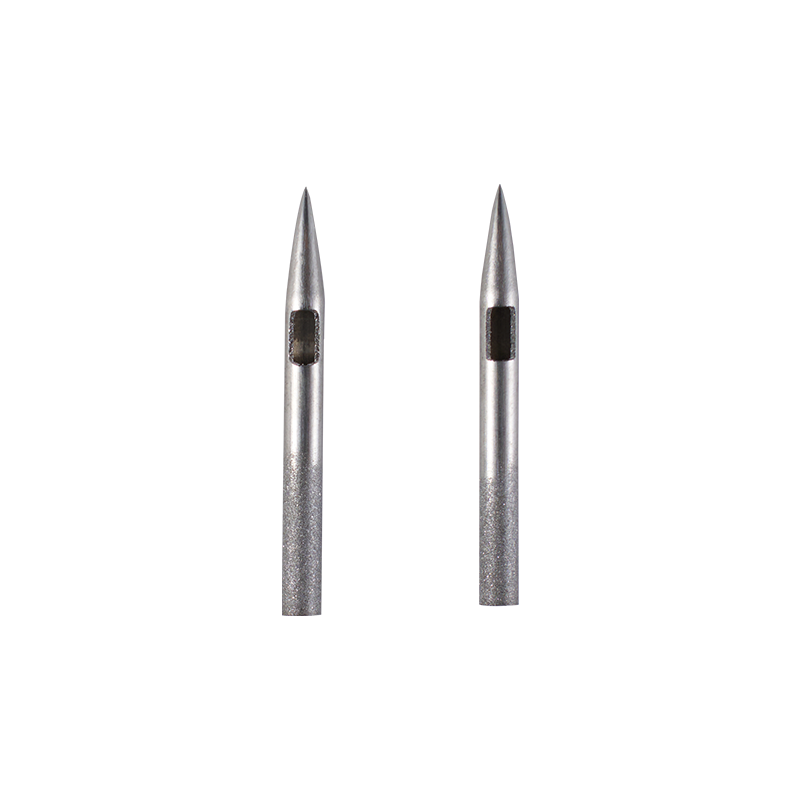
Handling protocols should be reviewed whenever there are changes in the type or size of needles being used. Solid medical needles, known for their sturdy construction, are often chosen for tasks requiring resistance to bending, while puncture needles are designed for precise entry into tissues or fluid extraction. Switching between needle types or sizes may require modifications in handling techniques, storage arrangements, and usage checks. This helps ensure that staff are familiar with the specific characteristics of each needle and reduces the likelihood of errors during procedures.
Changes in clinical workflow or patient volume also warrant protocol adjustments. High-traffic periods, new treatment procedures, or altered staffing patterns can increase the chance of needle mishandling. Revisiting training and handling instructions during these times helps maintain a safe environment and prevents procedural delays or accidental injuries. Clinics may also consider adjustments when new staff members are introduced, as consistent familiarization with needle types and handling practices is essential for routine safety.
Regular inspection and maintenance are crucial factors in determining when handling protocols should be revised. Solid medical needles require routine checks for tip integrity and shaft straightness, while puncture needles need to be examined for bevel sharpness and overall surface condition. Observing any signs of wear, corrosion, or bending can indicate the need for updated handling procedures, such as more frequent inspections, modified storage practices, or adjustments in the recommended technique for insertion. Ensuring that instruments are in acceptable condition reduces the risk of accidental injuries and maintains the predictability of performance during use.
Sterilization and cleaning processes are another area where protocol updates may be necessary. Clinics that introduce new sterilization equipment or procedures should evaluate whether current handling routines align with these changes. Proper labeling and separation of clean and used needles are also considerations that may require revision, particularly in busy environments where accidental cross-contamination could occur.
Staff training is a key aspect of handling protocol adjustments. Whenever protocols are revised, clear communication and demonstration of the updated procedures are essential. Clinics should provide hands-on training sessions that cover the handling of both solid medical and puncture needles, including safe insertion angles, stabilization techniques, and secure disposal methods. Integrating these updates into daily workflow routines can prevent lapses in safety practices and ensure that all personnel follow consistent procedures.
Workstation organization can also influence protocol decisions. Adjustments may be necessary if new equipment or workspaces are introduced, or if layout changes affect the accessibility and safety of needles during procedures. Simple measures, such as designated storage areas, proper labeling, and protective tools for needle handling, support safer usage and maintain orderly workflows.
Environmental conditions and situational changes in clinics can trigger the need to modify handling protocols. Factors such as temperature fluctuations, humidity, or exposure to moisture can affect the integrity of metal needles, while procedural changes or the introduction of new treatment techniques may require modifications in technique or supervision. By monitoring these factors and making incremental adjustments to handling protocols, clinics can reduce the likelihood of needle-related incidents and ensure that procedures are performed smoothly.
Through careful monitoring of needle condition, staff readiness, workflow changes, and environmental factors, clinics can determine the appropriate moments to adjust puncture needle handling protocols. These updates support safe practices, help prevent injuries, and maintain the usability of solid medical and puncture needles across different clinical applications.
Wenzhou Kangyu Medical TREATMENT
+86-0577-86858771
+86-13957709138
No. 626 Airport Avenue, Longwan District, Wenzhou City, Zhejiang Province, China
Contact Us
