
 English
 Español



+86-0577-86858771
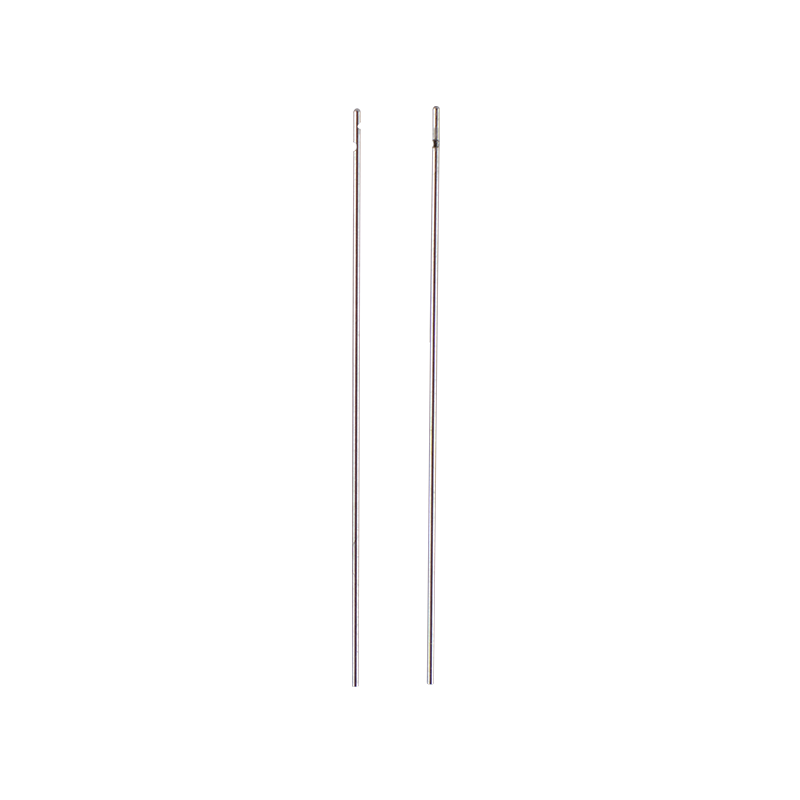
Working with medical instruments such as Solid Medical Needles and Puncture Needles involves multiple considerations to ensure both safety and procedural accuracy. These needles are widely used in clinical treatments, laboratory testing, and therapeutic procedures, where precise control and careful handling are essential. While their purpose may appear simple, improper handling, storage, or selection can lead to accidental injuries, contamination, or reduced effectiveness in performing medical tasks. Understanding the range of safety measures helps create a secure environment for healthcare workers, technicians, and patients alike.

Maintaining a clean, organized workspace is fundamental when using solid and puncture needles. Needles should be kept in designated containers and handled with protective gloves to reduce the risk of accidental punctures. Solid medical needles, which are firm and resistant to bending, require careful control during use to prevent unintended injuries. Puncture needles, particularly those used for blood collection or fluid sampling, demand precise handling to avoid needle-stick incidents that can transmit infections or cause minor injuries.
Storage conditions are equally important. Needles should be kept in dry, stable environments to prevent corrosion or surface degradation. Exposure to moisture or extreme temperatures may affect metal integrity, making the needles less predictable during procedures. Using labeled containers and organizing needles according to type and size can reduce the risk of selecting the wrong instrument for a task. Safe storage practices not only protect users but also maintain the functional reliability of the needles over time.
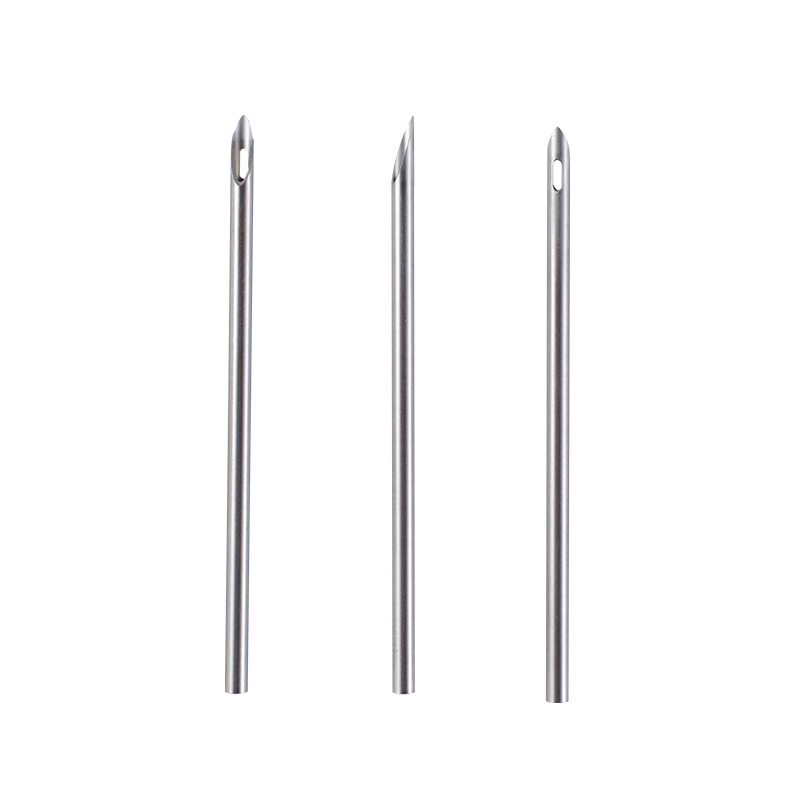
Selecting the correct needle type and size is critical for any procedure. Solid medical needles are suitable for applications requiring rigidity and resistance to bending, such as material testing or certain medical interventions. Puncture needles are designed for precise fluid transfer or injection tasks. Using the appropriate needle helps reduce the risk of tissue damage, excessive force, or procedural errors.
Proper insertion techniques further enhance safety. Users should maintain a controlled, steady hand and ensure the needle enters at the correct angle for the intended application. In clinical settings, stabilizing the target area can prevent sudden movements that might cause accidental punctures. Following established protocols, such as confirming patient identity and site preparation, supports safe needle use. When single-use needles are employed, they should be immediately disposed of after use in puncture-resistant sharps containers. Reusable needles require thorough cleaning and sterilization to remove any residues and maintain hygiene standards.
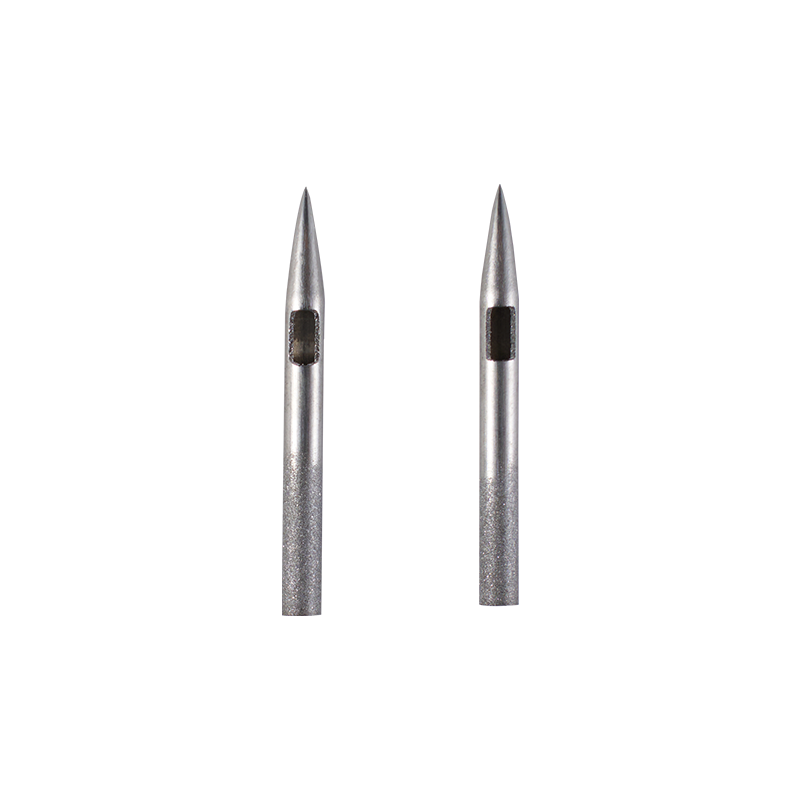
Regular inspection is essential for needle safety. Before each use, users should check solid medical needles for bends, surface imperfections, or signs of wear that could compromise performance. Puncture needles should be examined for tip sharpness, bevel integrity, and smoothness. Even minor damages can affect penetration efficiency or introduce risks during procedures. Consistent maintenance, including proper sterilization and careful handling, helps extend needle lifespan.
Documentation and training also play an important role. Healthcare providers and laboratory technicians benefit from routine training sessions on safe handling, disposal procedures, and emergency response measures. Clear labeling of needle types, proper storage methods, and awareness of sharp disposal regulations contribute to reducing accidents and maintaining procedural consistency.
Beyond handling, usage, and inspection, several practical measures further improve safety when working with needles. For instance, using devices that securely hold the needle during insertion can reduce accidental slips. Routine audits and compliance checks in laboratory or clinical settings reinforce adherence to safety practices. Even subtle practices, such as keeping the workstation uncluttered and monitoring environmental conditions, can prevent accidental incidents and maintain needle integrity.
By combining careful handling, appropriate usage, thorough inspection, and ongoing awareness of safety protocols, the risk associated with solid medical and puncture needles can be significantly managed. These practices support consistent performance, protect personnel and patients, and ensure that the needles serve their intended purpose effectively in clinical and industrial applications.
Wenzhou Kangyu Medical TREATMENT
+86-0577-86858771
+86-13957709138
No. 626 Airport Avenue, Longwan District, Wenzhou City, Zhejiang Province, China
Contact Us
