
 English
 Español



+86-0577-86858771
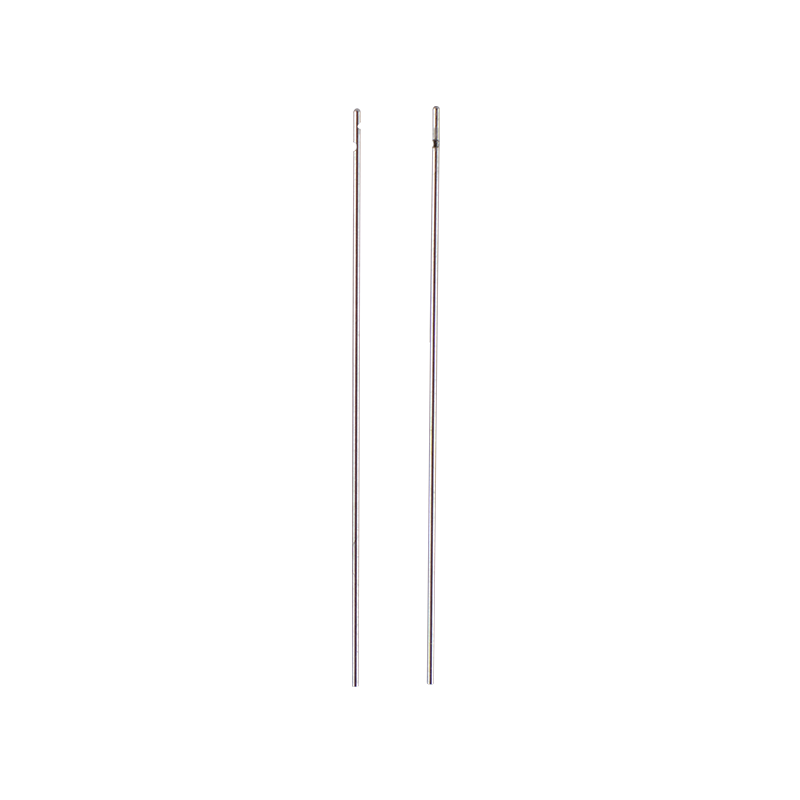
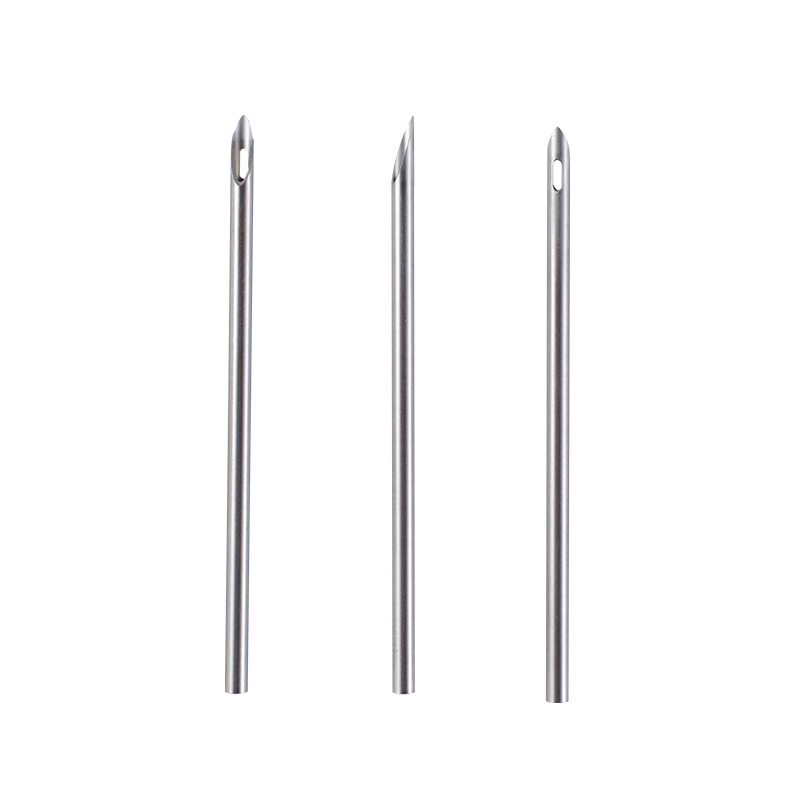
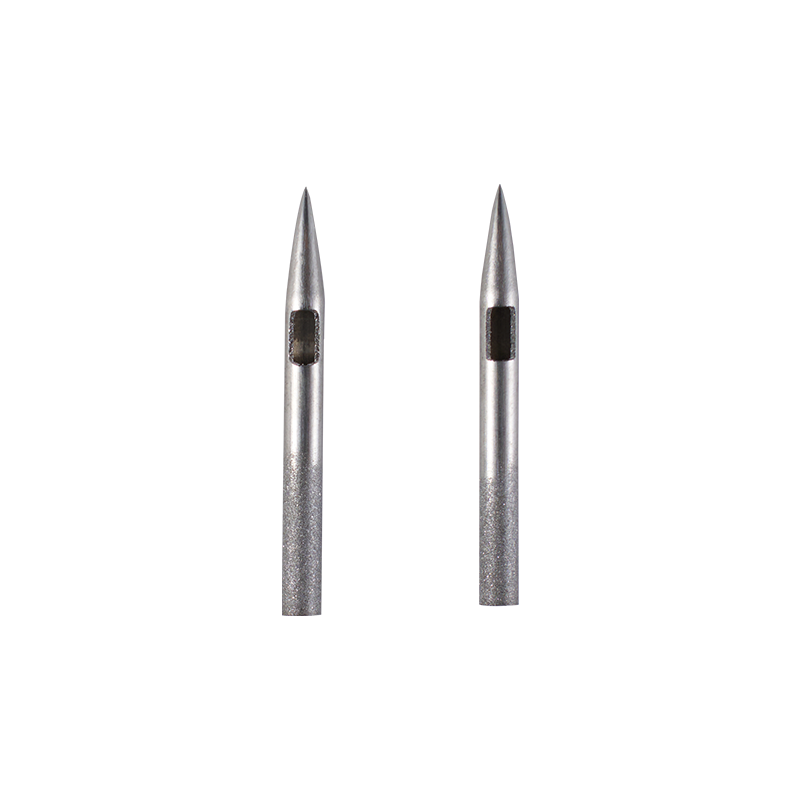
Material selection plays an important role in the development of medical components used across a variety of healthcare applications. Among these components, Solid Medical Needles are widely used in medical devices that require precision, durability, and dimensional consistency. At the same time, Special-Shaped Needles continue to gain attention as manufacturers develop products for more specialized clinical and engineering requirements. Choosing suitable materials is a critical step that can influence manufacturing processes, product performance, and long-term reliability.
Why Material Selection Matters
Medical needles are often exposed to demanding environments during manufacturing, sterilization, storage, and clinical use. The material used for a needle must support both functional and production requirements while maintaining consistent quality throughout its service life.
For Solid Medical Needles, material characteristics directly affect strength, corrosion resistance, machinability, and surface finish quality. These factors can influence how efficiently a needle is manufactured and how effectively it performs within a medical device.
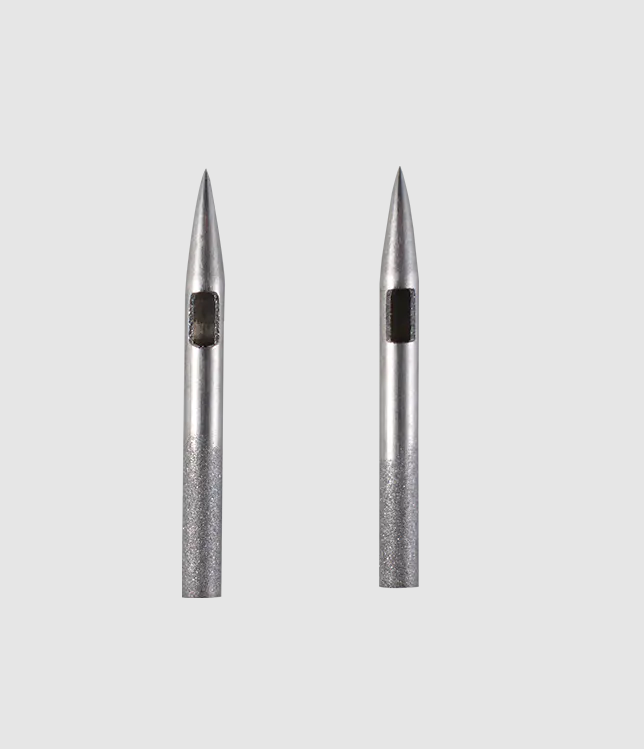
When developing Special-Shaped Needles, material selection becomes even more important because customized geometries may require additional forming, bending, grinding, or machining operations. Materials must be capable of maintaining their intended shape without compromising structural integrity.
Common Materials Used for Medical Needles
A variety of metal materials are used in medical needle manufacturing, with stainless steel remaining one of the most widely selected options.
Stainless Steel Materials
Stainless steel is frequently chosen because it offers a combination of corrosion resistance, mechanical stability, and processing flexibility. These characteristics make it suitable for many medical applications where cleanliness and durability are important considerations.
Different stainless steel grades may be selected depending on the intended use of the needle and the manufacturing methods involved.
Corrosion-Resistant Materials
Medical devices often undergo sterilization and cleaning procedures that can expose components to moisture and chemical agents. Materials with strong corrosion resistance can help maintain surface quality and structural stability throughout these processes.
This consideration is particularly important for Solid Medical Needles used in environments where long-term consistency is required.
Materials for Precision Machining
Some medical needle designs require highly detailed manufacturing processes. Materials selected for these applications should allow precise grinding, polishing, and shaping while maintaining dimensional accuracy.
For Special-Shaped Needles, machinability can influence the ability to create customized profiles, unique tip geometries, and specialized structural features.
Mechanical Performance Considerations
Material properties play a significant role in determining how a needle performs during use.
Strength and Stability
Medical needles often require sufficient mechanical strength to withstand handling, assembly, and operational demands. Materials with stable mechanical characteristics help support consistent performance throughout the product lifecycle.
For Solid Medical Needles, structural stability is particularly important in applications involving positioning, marking, guidance, or tissue interaction.
Resistance to Deformation
Customized needle designs may include curves, bends, or other specialized geometries. Materials used for Special-Shaped Needles should maintain these configurations without significant deformation during manufacturing or use.
The ability to retain shape contributes to the overall reliability of the finished component.
Surface Quality
Surface condition is another factor influenced by material selection. Certain materials respond more effectively to polishing and finishing processes, making it easier to achieve smooth surfaces suitable for medical applications.
A consistent surface finish may also support cleaning and sterilization procedures while improving compatibility with other device components.
The Relationship Between Materials and Manufacturing
Material selection does not only affect product performance; it also influences production efficiency and manufacturing flexibility.
Forming and Shaping Processes
Many medical needles undergo multiple processing stages before reaching their final configuration. Materials must accommodate operations such as grinding, cutting, bending, and shaping without introducing unnecessary manufacturing challenges.
This is especially relevant for Special-Shaped Needles that require customized geometries tailored to specific device designs.
Precision Tolerance Control
Medical device manufacturers often require components with strict dimensional specifications. Selecting materials that support accurate machining can help maintain consistency throughout production and simplify quality control activities.
Solid Medical Needles used in precision devices frequently depend on reliable tolerance control to ensure compatibility with surrounding assemblies.
Finishing and Inspection
Material characteristics can also influence finishing methods and inspection procedures. Manufacturers typically evaluate surface appearance, dimensional accuracy, and structural integrity throughout production to confirm that components meet design requirements.
Careful material selection helps support these verification processes and contributes to overall product consistency.
Material Selection for Different Applications
The intended application of a medical needle often determines which material characteristics should receive greater attention.
Diagnostic devices may prioritize dimensional precision and surface quality. Surgical instruments may focus on strength and corrosion resistance. Specialized equipment incorporating Special-Shaped Needles may require materials that support complex geometries while maintaining structural stability.
As medical technologies continue to evolve, manufacturers are increasingly seeking materials that balance performance requirements with manufacturing efficiency. This approach allows greater flexibility when developing components for new medical device designs.
Material selection remains a foundational aspect of needle manufacturing. By carefully evaluating mechanical properties, corrosion resistance, machinability, and finishing characteristics, manufacturers can produce Solid Medical Needles and Special-Shaped Needles that support a wide range of medical applications while meeting the demands of modern healthcare equipment development.
Wenzhou Kangyu Medical TREATMENT
+86-0577-86858771
+86-13957709138
No. 626 Airport Avenue, Longwan District, Wenzhou City, Zhejiang Province, China
Contact Us
