
 English
 Español



+86-0577-86858771
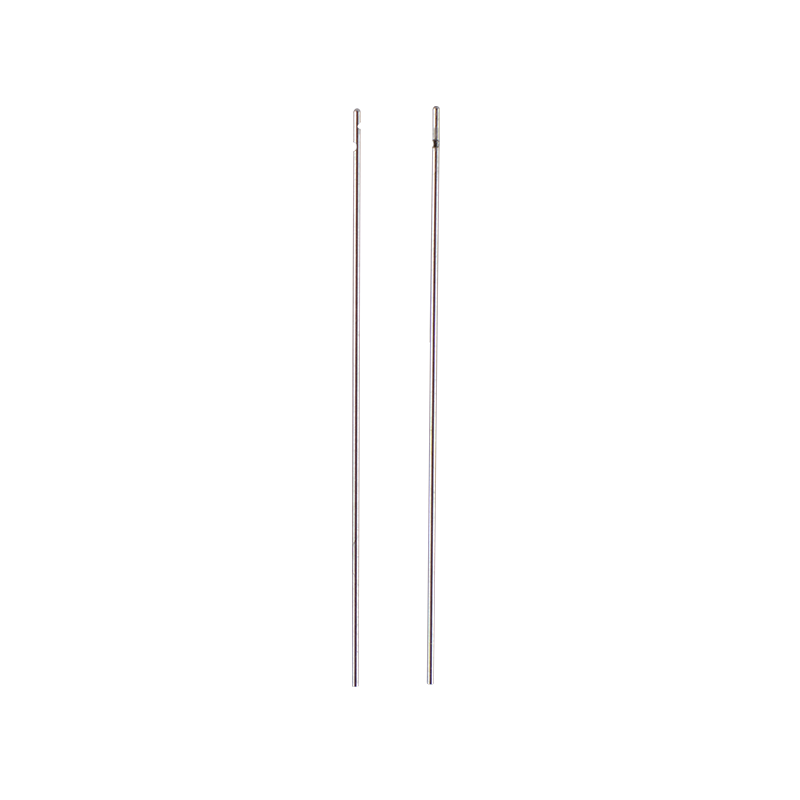
Solid medical needles and puncture needles are commonly adopted for processing multiple samples in clinical and laboratory settings. Operators need to select such medical instruments properly and follow standard operating techniques to guarantee precision and safety during procedures. These needles are widely applied in blood collection, body fluid extraction and various diagnostic tests, where stable and reliable instrument performance is essential amid repeated operations. A thorough understanding of the structural features that enable solid medical needles to fit multi-sample testing helps clinical and laboratory staff optimize workflows and implement standardized operation management.
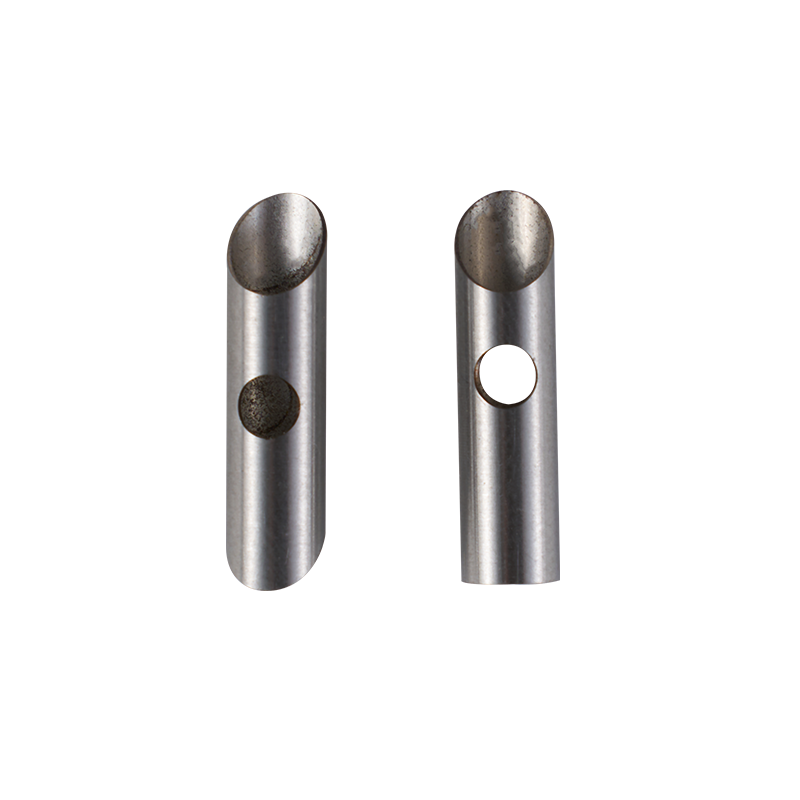
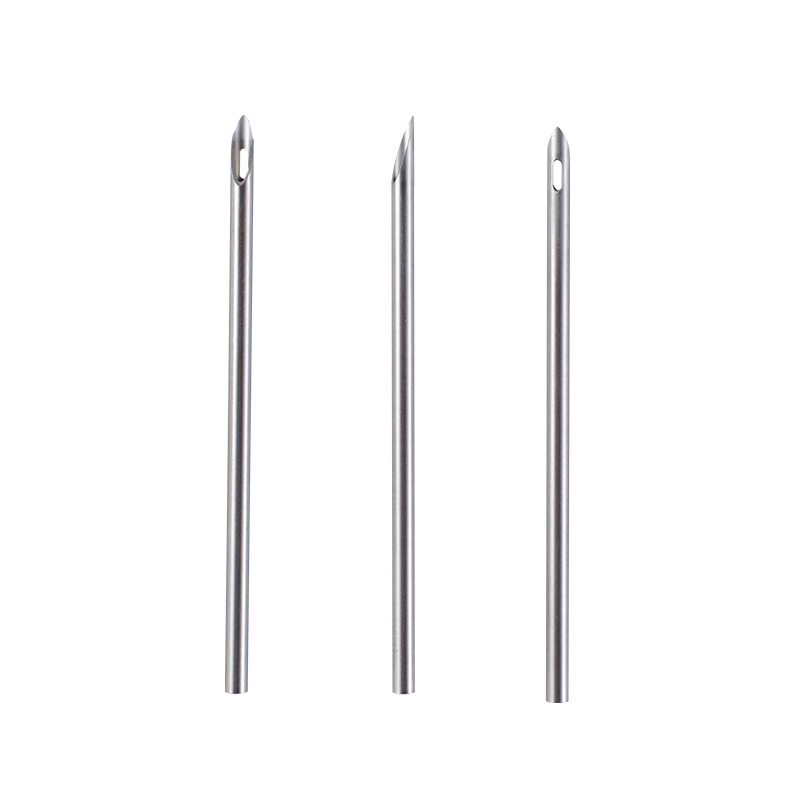
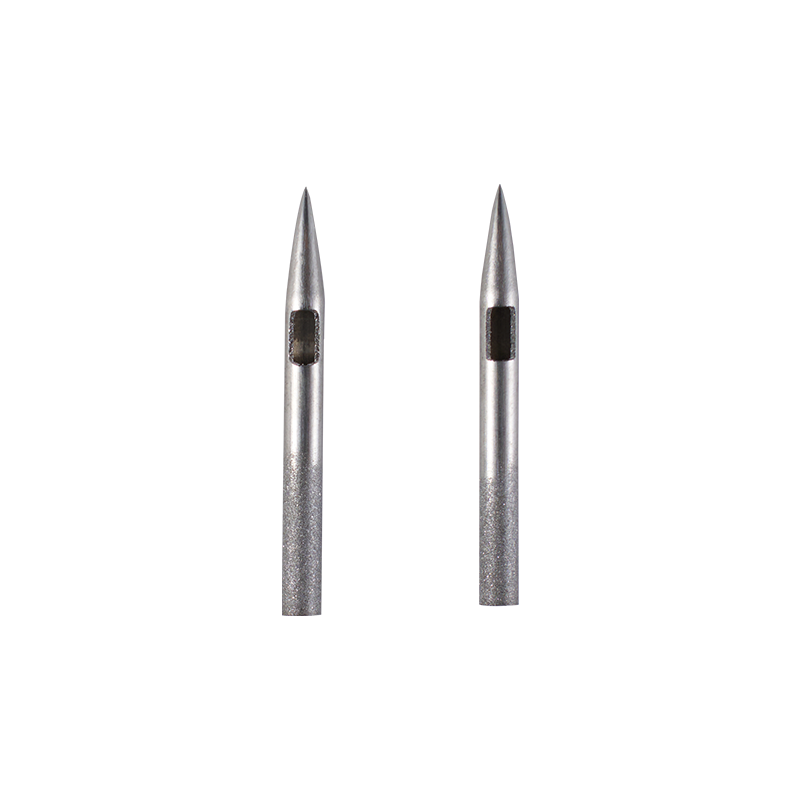
Solid medical needles are constructed with a firm, continuous shaft that resists bending or deformation during repeated insertions. This structural stability allows for precise penetration into sample containers or biological tissues without altering the intended path. Puncture needles, often hollow for fluid transfer, complement solid needles by facilitating efficient sampling without requiring repeated manipulations. The combination of these features supports sequential handling of multiple samples with reduced risk of needle deviation or damage.
The size and shape of the needle also play a role in maintaining consistent performance. Needles with standardized diameters and lengths allow operators to apply uniform force and maintain alignment across multiple samples. This consistency helps prevent sample contamination or variation due to uneven insertion techniques, which can be particularly important in diagnostic testing or laboratory analysis that relies on precise sample volumes.
Accurate multi-sample testing depends not only on needle characteristics but also on proper handling techniques. Clinicians and laboratory staff should stabilize the sample container or target site before inserting the needle, ensuring controlled penetration each time. Maintaining a steady hand and consistent insertion angle helps prevent deviation or repeated punctures in the same location, which could compromise sample integrity.
Sterility and preparation are also key factors. Needles should be stored in clean, designated containers and inspected before use to confirm tip integrity and surface smoothness. Puncture needles often require additional attention to bevel orientation to allow smooth entry into sample containers. By following these handling practices, operators can manage multiple samples efficiently while reducing the risk of errors or contamination.
The organization of workstations can influence the suitability of solid medical needles for multi-sample testing. Clear labeling, separation of clean and used needles, and accessible storage support a smooth workflow. Environmental factors such as lighting and workspace layout also affect handling accuracy. Proper arrangement of equipment and sample containers allows staff to maintain focus, reduce unnecessary movements, and perform repeated insertions in a controlled manner.
Changes in procedural conditions, such as sample type or container material, may also require minor adjustments in technique. Operators can modify insertion depth or handling speed based on these factors while still relying on the structural stability of solid needles to maintain performance across multiple samples.
Proficiency in operating solid medical needles and puncture needles serves as a fundamental prerequisite for reliable and consistent multi-sample test outcomes. Relevant personnel shall receive systematic training covering repeated practical exercises, standard puncture angles and standardized needle manipulation to improve operational proficiency and precision. Regular reviews of operational protocols are necessary especially when new sample types or needle models are introduced, so as to unify implementation standards, ensure safe execution of multi-sample procedures, and sustain stable needle performance across diverse clinical and laboratory tasks.Four key elements — structural stability, standardized operations, streamlined workflows and professional operational awareness among staff — support the efficient application of solid medical needles in multi-sample testing. Adherence to all the above requirements consistently preserves sample quality and ensures the safe and standardized clinical use of both solid medical needles and puncture needles.
Wenzhou Kangyu Medical TREATMENT
+86-0577-86858771
+86-13957709138
No. 626 Airport Avenue, Longwan District, Wenzhou City, Zhejiang Province, China
Contact Us
