
 English
 Español



+86-0577-86858771
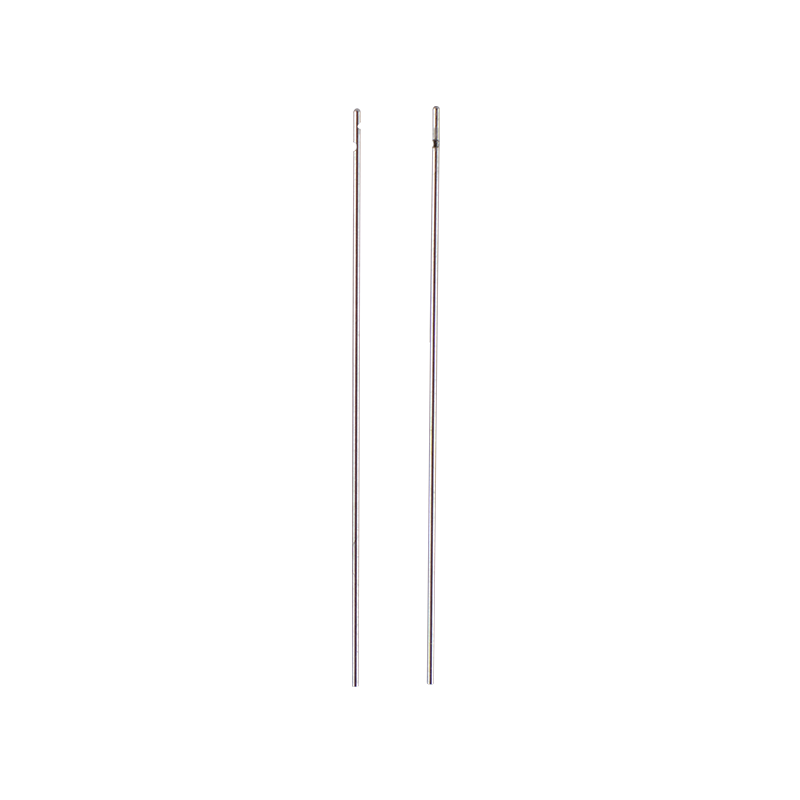
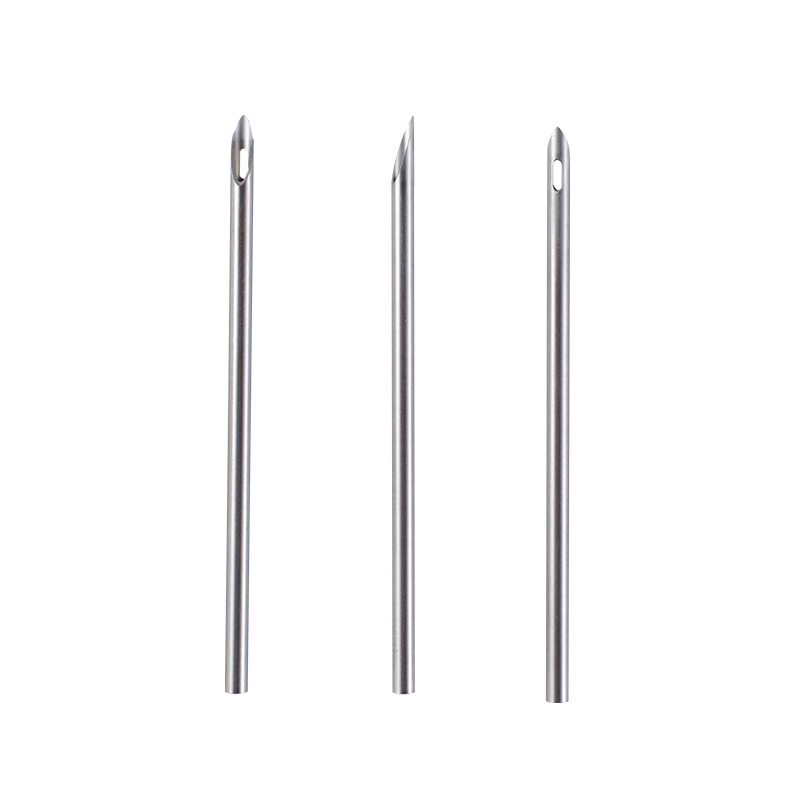
Special Medical Needles are increasingly developed around specific device structures and clinical applications rather than a fixed standard configuration. For medical device engineers and purchasing teams, the challenge is often not simply finding a suitable needle, but finding a manufacturer that can consistently produce customized tip profiles, openings, bends, and surface requirements. Current medical component sourcing also places greater attention on engineering support and the ability to move efficiently from prototype development to repeat production.
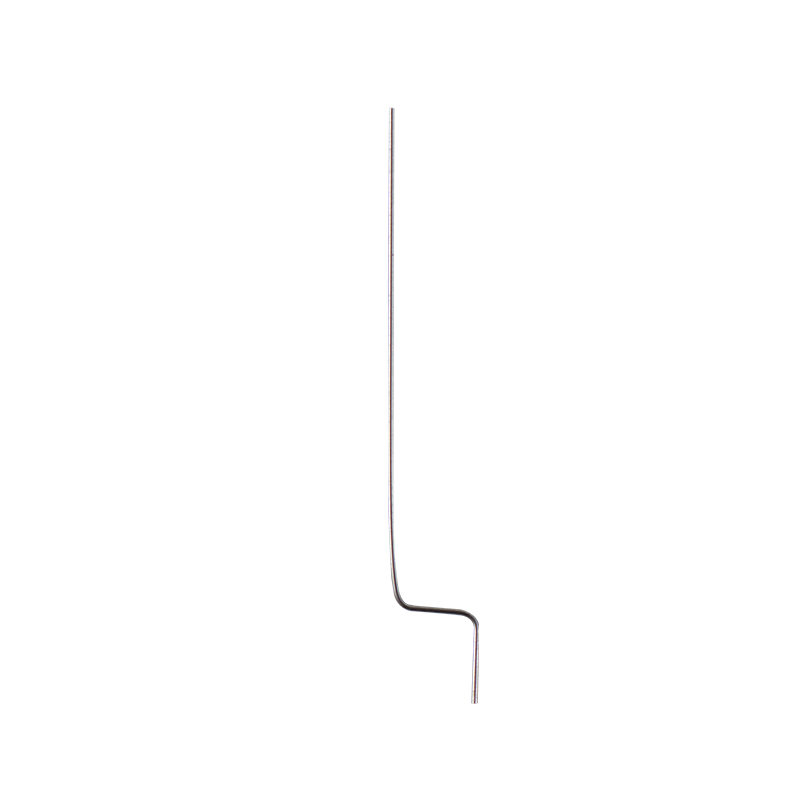
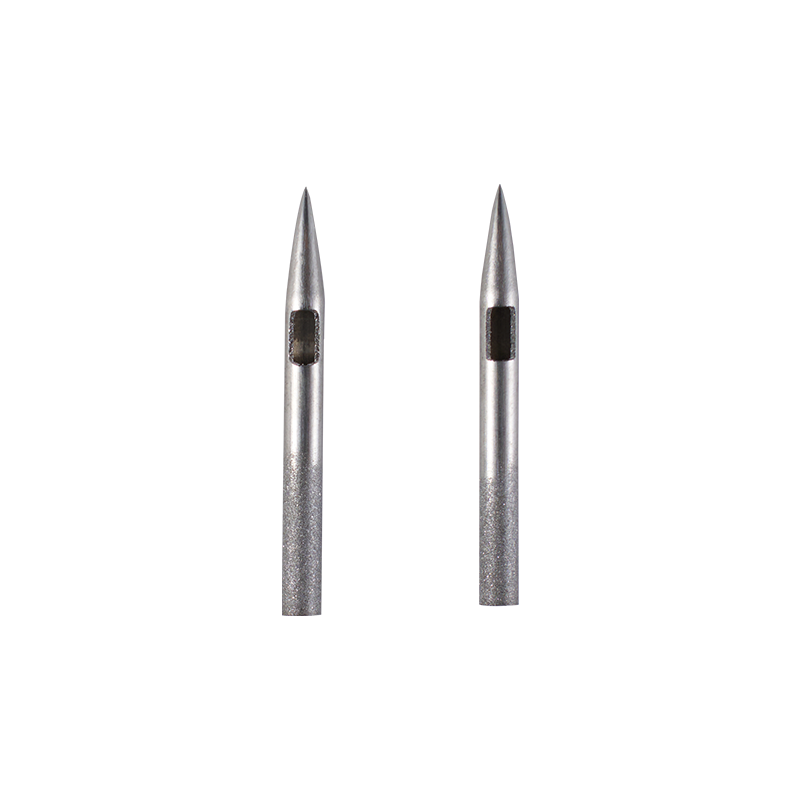
Needle tips can influence insertion characteristics, sampling performance, fluid delivery, and compatibility with surrounding components. A small change in bevel geometry or opening position may require corresponding adjustments elsewhere in the device.
During development, we work from the actual application requirements instead of modifying a standard needle without considering the complete assembly. This approach helps engineers define practical dimensions and processing requirements before sampling begins.
Custom needle projects may involve bending, drilling, grinding, cutting, polishing, or other precision metal-processing operations. These processes need to be coordinated because one operation can affect the accuracy or surface condition created by another.
Manufacturers with dedicated micro-fabrication capabilities can provide greater flexibility for special configurations, including customized tip shapes and drilled openings. Such capabilities are already being used in OEM and ODM medical needle development.
A common sourcing problem occurs when a buyer provides only a product image or a general description. Without defined dimensions and tolerances, manufacturers may interpret critical features differently, resulting in additional sampling and engineering revisions.
For custom medical needles, a useful drawing should identify key dimensions, material, tip configuration, bend location, connection details, and inspection requirements. If some specifications remain undecided, they can be reviewed with the manufacturer during the engineering stage.
Material selection should be considered together with forming and finishing processes. Medical-grade stainless steel is frequently used for needle and cannula components, while specific applications may require other material solutions.
OEM suppliers commonly work with materials such as stainless steel and nitinol for customized medical components. Surface condition is also worth defining early, particularly when the needle will be integrated into a precision medical device.
Clear requirements help prevent unnecessary changes after prototypes have already been produced.
A visually acceptable sample does not necessarily confirm that a custom needle will perform correctly within the finished device. Engineering teams should evaluate dimensional conformity, connection fit, tip geometry, surface condition, and interaction with related components.
For procurement teams, this stage also provides an opportunity to assess whether the supplier can reproduce the approved design consistently rather than simply produce one acceptable prototype.
For companies developing proprietary medical devices, OEM/ODM manufacturing can reduce the number of separate suppliers involved in product development. Some specialty needle manufacturers provide support from design and prototyping through production and related services.
This is particularly useful when the needle is not an independent product but a functional part of a larger instrument. Close communication between the buyer's engineering team and the manufacturer's production team can resolve manufacturability issues before they become costly production problems.
When sourcing Special Medical Needles, buyers should evaluate more than unit price. Manufacturing processes, customization capability, engineering communication, inspection methods, documentation, and repeat-order consistency all influence the long-term value of a supplier.
As a manufacturer, we focus on converting application requirements into manufacturable needle designs, supporting prototype development and repeat production for medical device companies and international OEM buyers. Special Medical Needles are most effective when their design and manufacturing process are developed together from the beginning.
Wenzhou Kangyu Medical TREATMENT
+86-0577-86858771
+86-13957709138
No. 626 Airport Avenue, Longwan District, Wenzhou City, Zhejiang Province, China
Contact Us
