
 English
 Español



+86-0577-86858771
Special Medical Needles are often developed for a specific instrument, procedure, or fluid-handling requirement, so standard catalog products may not fully match the design. For overseas medical device buyers, the real sourcing challenge is often maintaining the same specifications when a project moves from prototype samples to repeat production. A manufacturer with micro-processing and OEM/ODM experience can help reduce this gap by connecting product design with practical manufacturing processes.
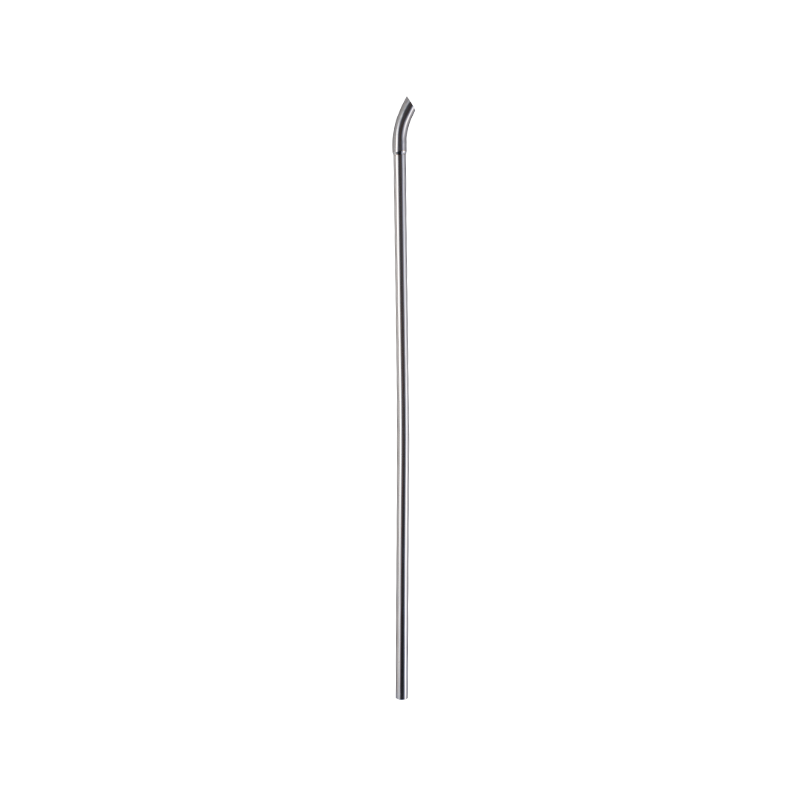
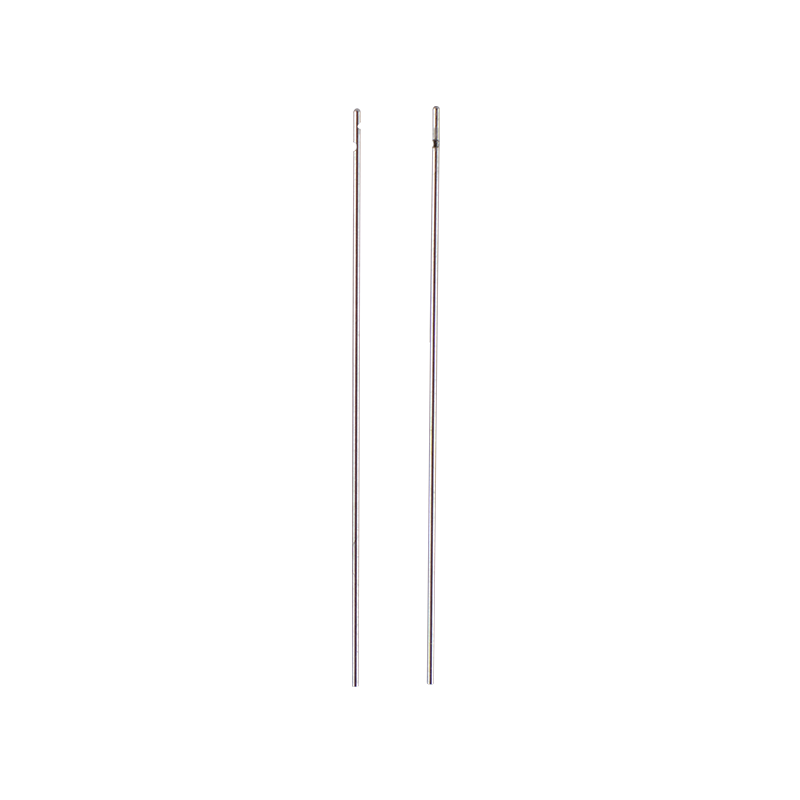
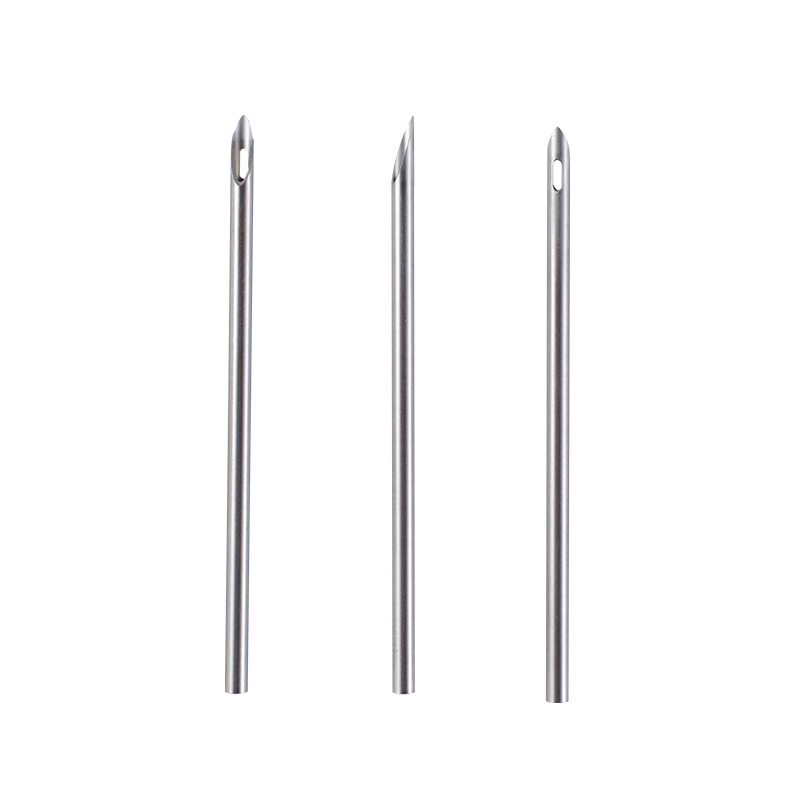
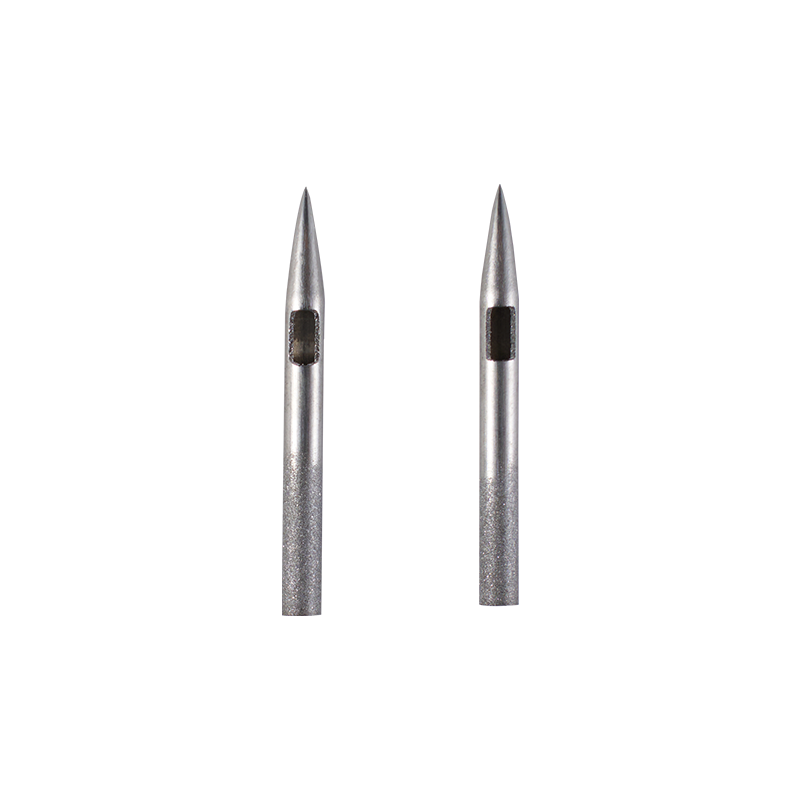
A custom needle project should begin with the dimensions that directly affect device performance. Outside diameter, wall thickness, working length, tip geometry, opening position, and connection structure should be clearly defined before sampling.
Not every dimension has the same importance. Engineers can identify functional dimensions first and then work with the manufacturer to determine suitable tolerances. This makes the drawing easier to review and reduces unnecessary revisions during prototype development.
A sample should do more than confirm appearance. It provides an opportunity to check whether the proposed design can be manufactured consistently. Needle tip shape, bending, drilling, swaging, welding, and surface processing may require different production approaches depending on the final structure.
As a manufacturer, we review these processing requirements during development so that potential manufacturing difficulties can be identified before the project enters repeat production.
Some medical device developers do not require large quantities during the early stage. However, low-volume production should not mean informal quality control. The approved sample, drawings, material specifications, and inspection requirements should remain the reference for subsequent batches.
This is particularly useful for startups, specialist device developers, and distributors testing a customized product before expanding purchasing volumes.
Stainless steel is widely used for medical needle components, while specialty alloys such as nitinol may be selected for applications requiring particular mechanical behavior. The appropriate material depends on the design and intended function rather than simply the purchase price.
For OEM buyers, defining the material grade at the development stage also helps maintain consistency between prototypes and production orders.
Special needle manufacturing can involve several operations within one component. Manufacturers may provide customized tip shapes, bends, drilled holes, welding, insulation, swaging, or fine marking according to project requirements.
Having these capabilities within one manufacturing workflow can simplify communication because engineers do not need to coordinate every processing step with separate suppliers.
Once a custom needle has been approved, clear documentation becomes important for future purchasing. Drawings, material information, inspection requirements, packaging specifications, and approved samples should provide a consistent reference for production.
For international buyers, this documentation also makes communication between purchasing, engineering, quality, and manufacturing teams more efficient.
OEM/ODM manufacturing can be useful when a medical device company requires a proprietary needle configuration rather than an off-the-shelf component. Industry manufacturers currently provide customized needle development covering design, processing, assembly, and related production stages.
For buyers sourcing Special Medical Needles, the practical goal is not simply to obtain a workable sample, but to establish a repeatable manufacturing process behind that sample. By combining application-based design review, precision processing, inspection, and OEM support, manufacturers can help medical device companies move from customized prototypes toward dependable production supply.
Wenzhou Kangyu Medical TREATMENT
+86-0577-86858771
+86-13957709138
No. 626 Airport Avenue, Longwan District, Wenzhou City, Zhejiang Province, China
Contact Us
