
 English
 Español



+86-0577-86858771
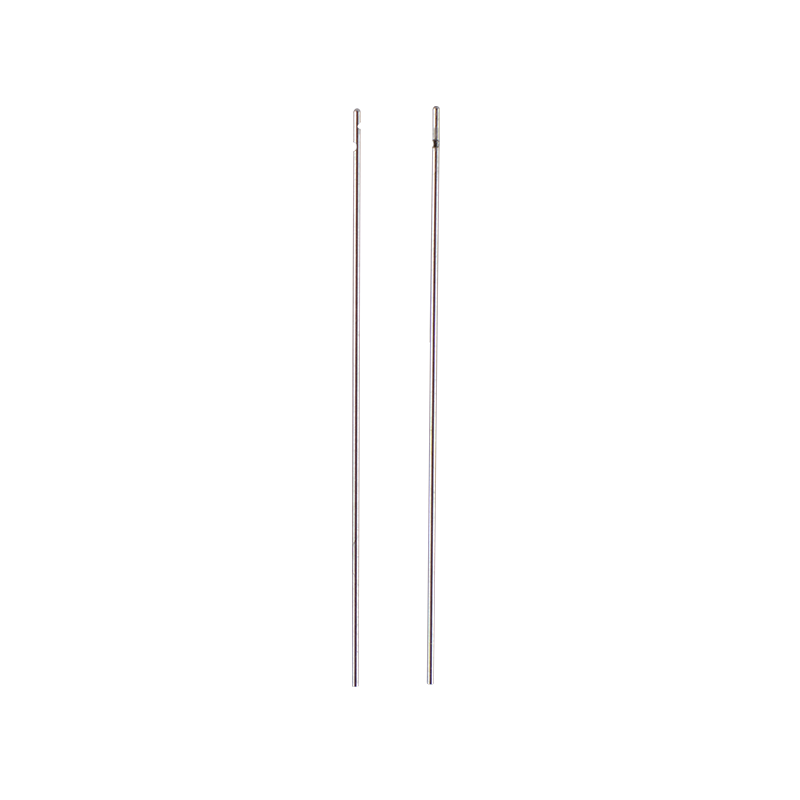
Special Medical Needles are increasingly being developed around the practical demands of minimally invasive procedures, image-guided interventions, and procedure-specific delivery systems. As hospitals and medical device developers adopt more specialized techniques, buyers are paying closer attention to needle geometry, material consistency, penetration behavior, and compatibility with supporting equipment. For manufacturers, this means needle selection can no longer rely on size alone.

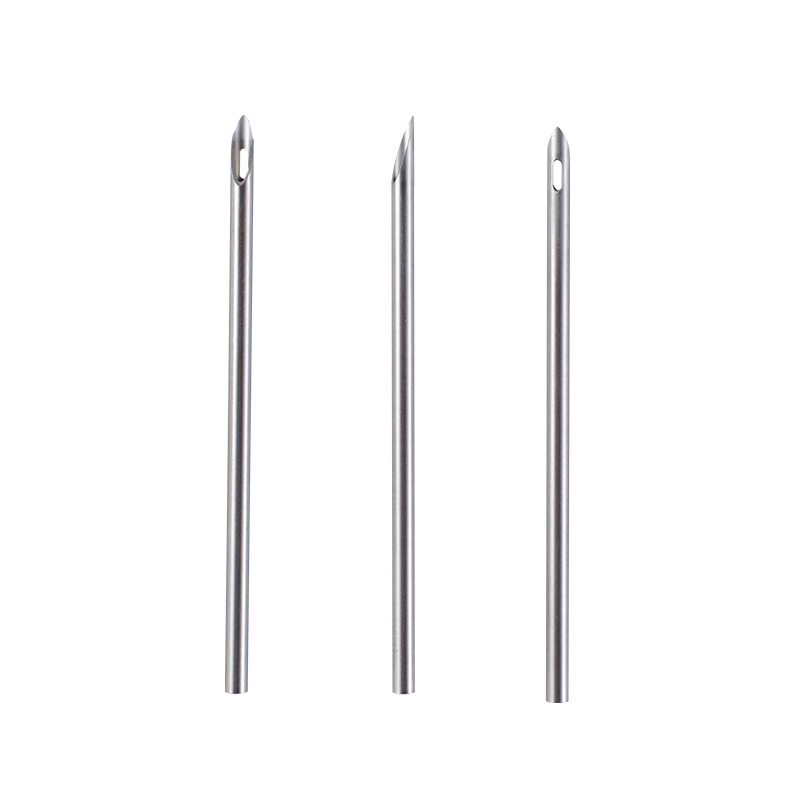
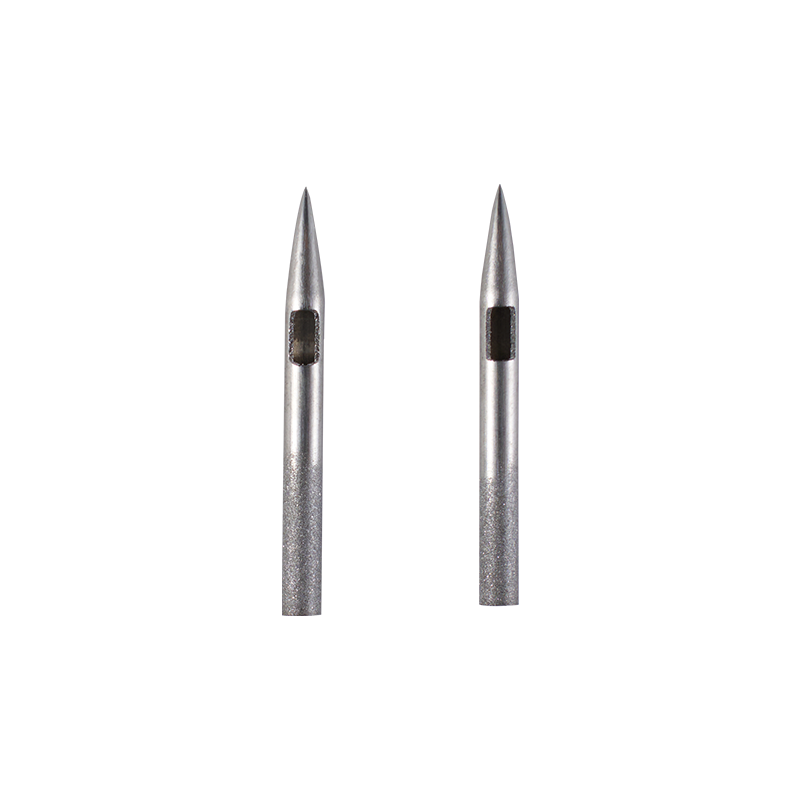
Different procedures place different demands on the needle. A needle intended for fluid withdrawal may require different characteristics from one used for tissue sampling, injection, or image-guided access. Tip configuration, outer diameter, length, wall structure, and connection design all influence how the needle interacts with tissue and connected equipment.
For procurement teams, defining the application before discussing specifications can reduce unnecessary sample revisions. We recommend starting with the clinical or device function and then selecting the corresponding needle structure.
Medical needle tubing requires controlled mechanical properties and dimensional consistency. Stainless steel is widely used for hypodermic needle applications, while relevant standards such as ISO 9626 address stainless steel needle tubing for medical devices. ISO 7864 covers sterile hypodermic needles intended for single use.
During manufacturing, material selection should therefore be connected with forming, grinding, cleaning, inspection, and final application requirements rather than treated as an isolated purchasing decision.
A needle may meet dimensional requirements yet still require closer attention to its finished surface and tip. Grinding and forming processes influence the final geometry, while burr control and surface cleanliness are important during subsequent inspection and packaging.
For specialized medical applications, buyers often need more than a standard needle catalog. Custom tip designs, tubing dimensions, hub configurations, and connection requirements may need to be developed around a specific medical device or procedure.
A practical quality system should monitor the needle from incoming material through finished-product inspection. Key checkpoints can include:
This process-oriented approach helps manufacturers identify deviations earlier instead of relying only on final inspection. Testing requirements should also be aligned with the applicable product standard and intended market.
Image-guided procedures are creating additional interest in precision needle systems. Ultrasound, CT, and other imaging technologies are increasingly used to support minimally invasive interventions, making predictable needle movement and controlled placement important design considerations.
For engineering teams developing specialized access or biopsy devices, needle design should be evaluated together with the guidance system, target depth, tissue characteristics, and operator workflow. This integrated approach can make prototyping more practical.
OEM medical needle projects often involve several rounds of specification confirmation. A manufacturer should be prepared to discuss drawings, material requirements, tip styles, tolerances, surface treatment, packaging, and testing documentation before production begins.
At our manufacturing facility, we approach custom needle development by connecting application requirements with production capability. This allows overseas medical device companies, distributors, and engineering teams to work from a clearly defined specification rather than adapting a standard product to an unsuitable application.
For buyers sourcing Special Medical Needles, the most useful specification is one that clearly connects product characteristics with the intended application. Defining the needle structure, material, tip design, connection method, inspection requirements, and applicable standards at the beginning can reduce communication gaps during sampling and production. With specialized manufacturing support, these details can be translated into a controlled production process suitable for consistent medical device development and supply.
Wenzhou Kangyu Medical TREATMENT
+86-0577-86858771
+86-13957709138
No. 626 Airport Avenue, Longwan District, Wenzhou City, Zhejiang Province, China
Contact Us
