
 English
 Español



+86-0577-86858771
Puncture Needles play an important role in applications where controlled penetration, consistent performance, and reliable material interaction are required. For manufacturers and industrial buyers, selecting a suitable needle involves more than checking its dimensions. Needle breakage, inconsistent penetration, surface damage, and premature wear can affect production efficiency and finished product quality. As a manufacturer, we believe that understanding these practical issues helps buyers choose puncture needles that match their equipment, materials, and working conditions.
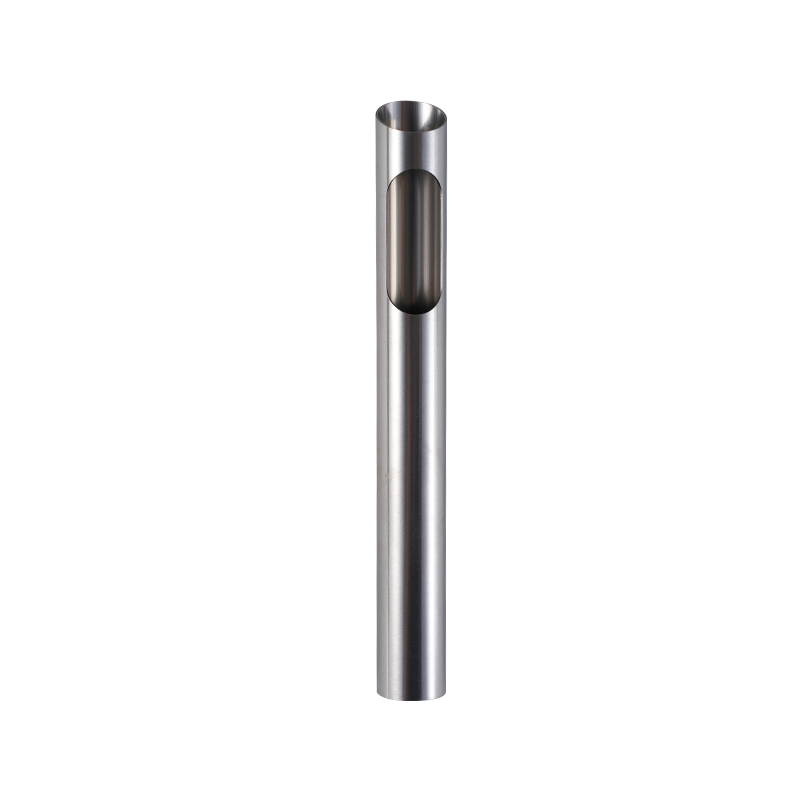
A needle that performs well with one material may not deliver the same results with another. Material density, thickness, elasticity, and surface structure can all influence penetration resistance. When a needle encounters excessive resistance, bending or breakage may occur, especially if its structure is unsuitable for the application.
Before selecting Puncture Needles, buyers should identify the material being processed and consider how it behaves during penetration. Sharing these details with a supplier helps narrow down suitable needle designs and reduces the risk of selecting a product based on dimensions alone.
Needle geometry affects how the point enters a material and how the shaft responds to resistance. Point shape, shaft diameter, overall length, and structural consistency should be evaluated according to the intended application.
An unsuitable diameter may create unnecessary resistance or fail to provide the required penetration behavior. Likewise, a needle that does not match the equipment can cause alignment problems or inconsistent operation. We recommend checking equipment specifications and application requirements before confirming an order, particularly when replacing an existing needle with a different design.
Needle breakage does not always indicate a material defect. In many cases, operating conditions and equipment setup contribute to the problem. Excessive force, incorrect alignment, worn components, and unsuitable needle dimensions can place additional stress on the needle.
Production teams can begin troubleshooting by checking several practical points:
These checks help identify possible causes before a replacement is ordered.
For industrial buyers, consistency between batches matters because changes in needle dimensions or surface condition may affect equipment performance. A supplier should have clear inspection procedures for relevant product characteristics, including dimensions, point condition, and visible manufacturing defects.
As a manufacturer, we recognize that quality evaluation should reflect the actual application rather than rely on appearance alone. Buyers can discuss inspection requirements, acceptable tolerances, packaging conditions, and batch identification with their suppliers. Clear expectations make incoming inspection easier and help production teams identify potential problems earlier.
Even properly manufactured needles can become unsuitable for use if they are damaged during storage or transportation. Loose packaging, contact with hard objects, moisture exposure, and careless handling may affect product condition.
Puncture needles should be stored in appropriate protective packaging and handled according to their intended use. Before installation, operators should inspect the product and avoid using needles that show deformation or damage. Establishing a consistent storage and handling procedure also helps prevent confusion between different needle specifications on the production floor.
When needle performance becomes inconsistent, purchasing teams and production engineers should exchange more than a product name or reference number. Useful information includes the material being processed, equipment model, current needle dimensions, operating difficulties, and the conditions under which the problem occurs.
For customized requirements, buyers should confirm which specifications can be adjusted and which details require technical evaluation. This approach helps manufacturers assess application suitability and communicate realistic product options instead of recommending a replacement without enough information.
Reliable needle selection starts with a clear understanding of the application, equipment compatibility, manufacturing consistency, and handling requirements. Buyers who evaluate these factors can make more informed decisions and reduce avoidable interruptions caused by unsuitable products. As a manufacturer, we encourage customers to share their technical requirements before placing repeat or customized orders. With the right specifications and practical quality checks, Puncture Needles can better support consistent operation and the demands of ongoing industrial production.
Wenzhou Kangyu Medical TREATMENT
+86-0577-86858771
+86-13957709138
No. 626 Airport Avenue, Longwan District, Wenzhou City, Zhejiang Province, China
Contact Us
