
 English
 Español



+86-0577-86858771
In industrial manufacturing, small components can have a direct impact on production efficiency. Solid Steel Needles are often required to maintain accurate positioning, controlled movement, and reliable contact during repeated operations. However, problems such as needle bending, surface wear, and inconsistent dimensions can affect equipment performance and increase maintenance demands. For industrial buyers, understanding these issues helps improve product selection and supplier evaluation. As a manufacturer, we pay close attention to material properties, machining precision, and finishing quality throughout production.
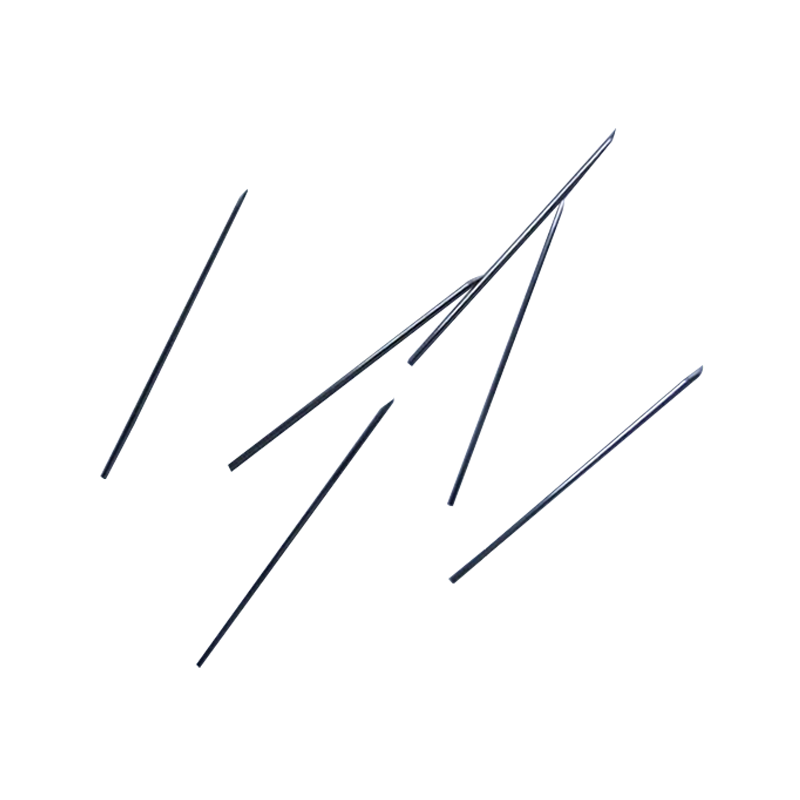
Repeated contact, friction, and mechanical pressure can gradually affect needle performance. The actual wear rate depends on the working environment, material hardness, equipment settings, and frequency of use.
Some common problems include:
Identifying these conditions helps buyers select suitable material specifications instead of relying on replacement alone.
Not every application requires the same steel characteristics. Some operations prioritize hardness and wear resistance, while others require greater toughness to withstand repeated mechanical stress.
When selecting Solid Steel Needles, buyers should communicate the working load, contact materials, operating environment, and expected service conditions. These details help manufacturers assess suitable material options and avoid unnecessary specification compromises.
Surface finishing is another important consideration. Burrs, scratches, and uneven surfaces can increase friction or interfere with the movement of precision components.
During manufacturing, controlling machining and finishing processes helps produce a more consistent surface. Depending on the application, buyers may also specify polishing or other surface treatments to meet particular functional requirements.
Needles that look similar may still differ in diameter, length, or straightness. Such variations can create fitting difficulties, particularly when components are used in equipment with defined assembly tolerances.
A practical inspection process should cover:
Confirming these requirements before production helps reduce avoidable quality disputes between suppliers and buyers.
Standard specifications may not suit every industrial application. Equipment developers and component distributors sometimes require customized dimensions, material grades, or tip configurations.
Providing technical drawings or physical samples allows manufacturers to understand the required structure before production. It also helps clarify tolerances, inspection requirements, and finishing expectations, making communication between engineering and purchasing teams more efficient.
For B2B purchasers, supplier consistency matters beyond the initial delivery. Differences between production batches can affect assembly processes, inventory management, and the performance of replacement components.
A qualified manufacturing process should include material verification, production monitoring, dimensional checks, and final inspection. These controls help maintain product consistency and support repeat-order requirements.
When evaluating Solid Steel Needles, buyers should look beyond unit price and consider material suitability, processing capability, inspection standards, and communication efficiency. By addressing these factors early, manufacturers and customers can build a more reliable supply relationship and reduce problems during long-term industrial use.
Wenzhou Kangyu Medical TREATMENT
+86-0577-86858771
+86-13957709138
No. 626 Airport Avenue, Longwan District, Wenzhou City, Zhejiang Province, China
Contact Us
