
 English
 Español



+86-0577-86858771
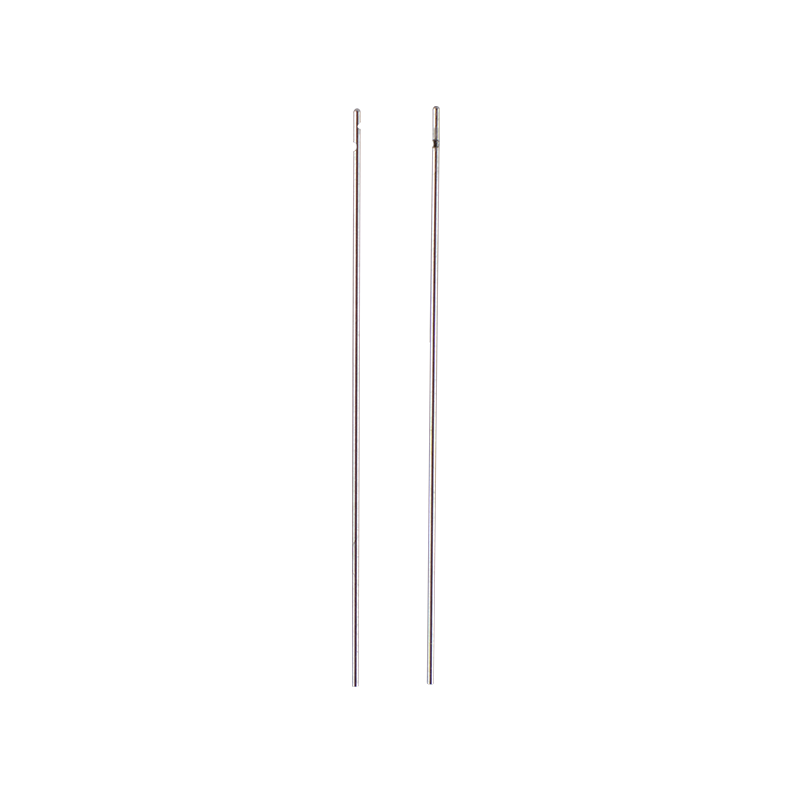
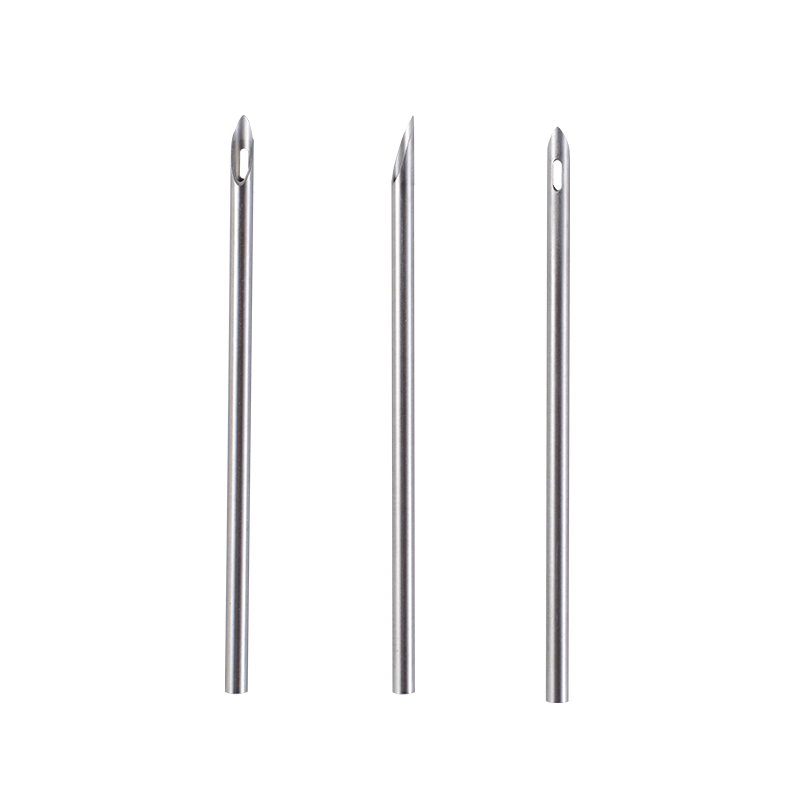
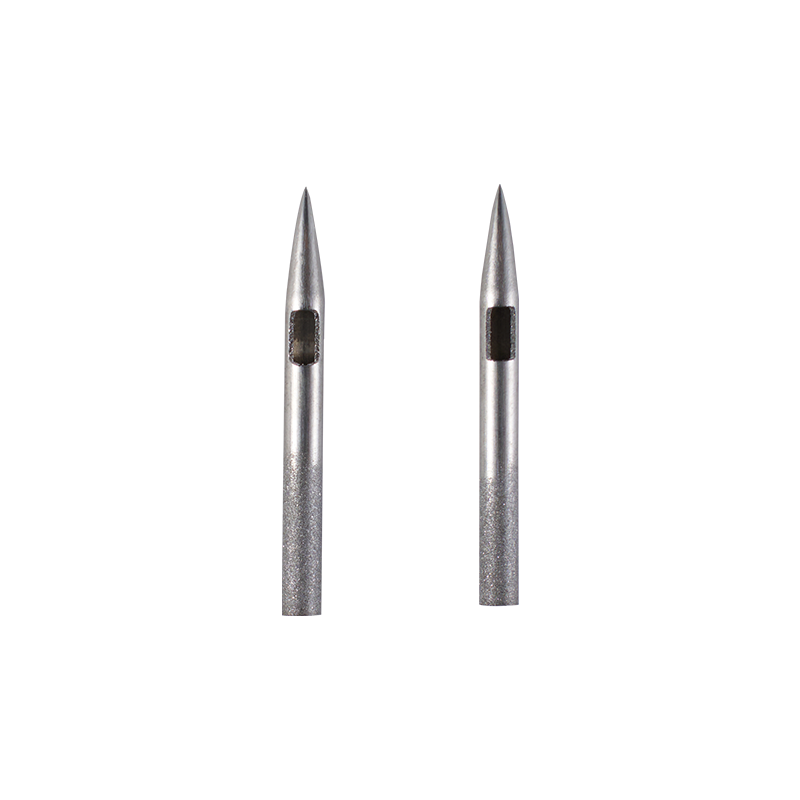
For industrial buyers, sourcing small precision components in bulk requires careful attention to more than unit price and delivery schedules. Solid Steel Needles must maintain consistent dimensions, material properties, and surface conditions to meet equipment requirements. When production batches contain noticeable variations, customers may face additional sorting, assembly delays, or replacement costs. As a manufacturer, we understand that stable product quality depends on controlling each production stage, from raw material selection to final inspection.

Different steel materials offer different combinations of hardness, toughness, and wear resistance. Choosing an unsuitable grade may affect the needle's performance under repeated contact or mechanical pressure.
For bulk production, material specifications should be confirmed before manufacturing begins. Incoming material checks also help reduce variations that could influence machining results and finished-product properties.
Small dimensional differences can become significant when needles are installed in precision equipment. Inconsistent diameters may affect fitting, while variations in length can interfere with positioning or working depth.
To reduce these risks, manufacturers should establish clear dimensional requirements covering:
These specifications provide a consistent reference for production and inspection.
Surface scratches, burrs, and uneven finishing may affect friction and contact conditions. For applications involving repeated movement, these defects can contribute to premature wear or inconsistent operation.
Surface inspection should therefore be included in the manufacturing process. Depending on the intended application, polishing or additional finishing may also be necessary to achieve the required surface condition.
Different customers may have different acceptance requirements. Some prioritize dimensional accuracy, while others pay closer attention to hardness, straightness, or surface appearance.
Before placing an order, purchasing teams should agree with the manufacturer on inspection items and acceptance criteria. For Solid Steel Needles, a practical quality inspection plan may cover:
Clear inspection standards help both parties avoid misunderstandings during delivery and incoming quality checks.
Even properly manufactured needles can be damaged if packaging does not provide sufficient protection. Scratches, bending, and exposure to moisture may occur during handling or transportation.
Packaging requirements should reflect product dimensions, surface sensitivity, and shipping conditions. Suitable internal separation and protective materials can help prevent unnecessary contact between individual components.
For distributors and equipment manufacturers, a dependable supply relationship requires consistent production capability and clear communication. Buyers should evaluate whether a supplier can follow technical drawings, maintain agreed specifications, provide inspection information, and handle repeat orders.
A manufacturer's ability to identify potential production risks before manufacturing is also valuable, particularly when customized dimensions or finishing requirements are involved.
Bulk sourcing is more manageable when product specifications, inspection procedures, and packaging requirements remain consistent across orders. By controlling material selection, machining accuracy, surface finishing, and final verification, manufacturers can reduce avoidable quality variations. When purchasing Solid Steel Needles, buyers should establish technical expectations early and work with suppliers that understand the importance of production consistency. This approach supports smoother assembly operations and more predictable industrial component sourcing.
Wenzhou Kangyu Medical TREATMENT
+86-0577-86858771
+86-13957709138
No. 626 Airport Avenue, Longwan District, Wenzhou City, Zhejiang Province, China
Contact Us
