
 English
 Español



+86-0577-86858771
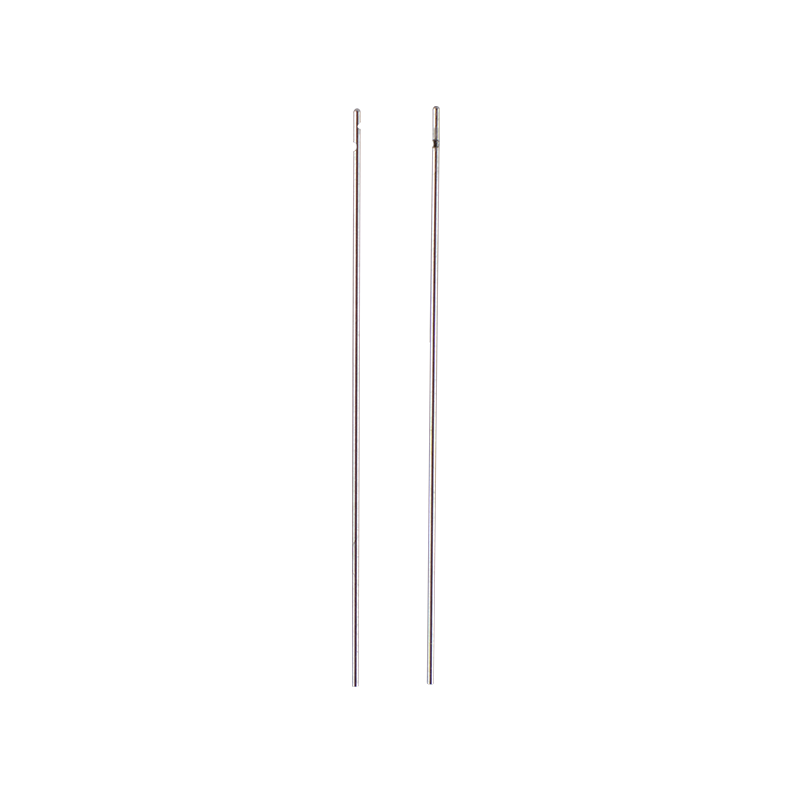
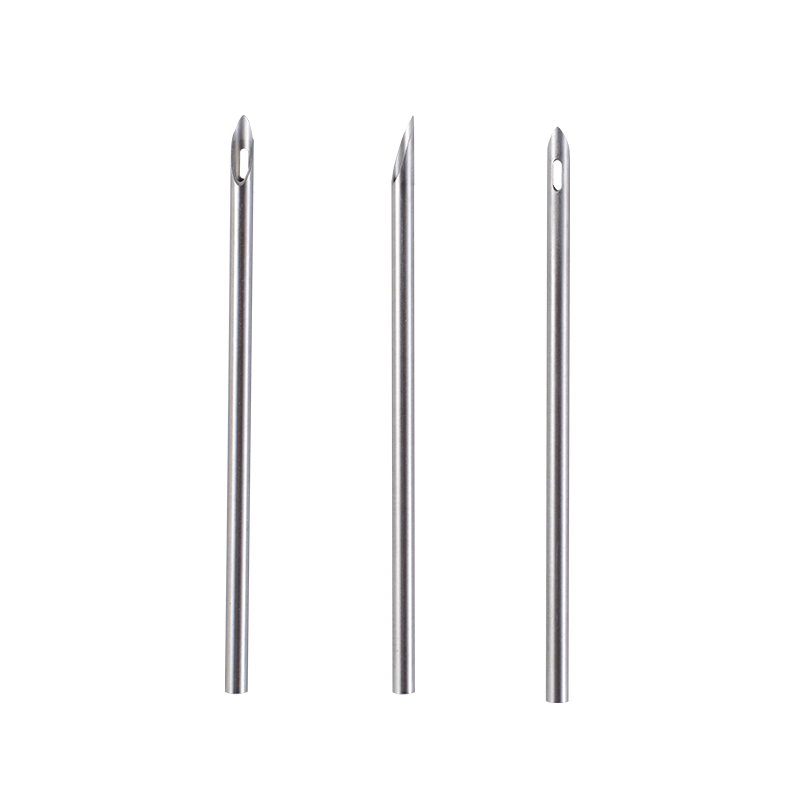
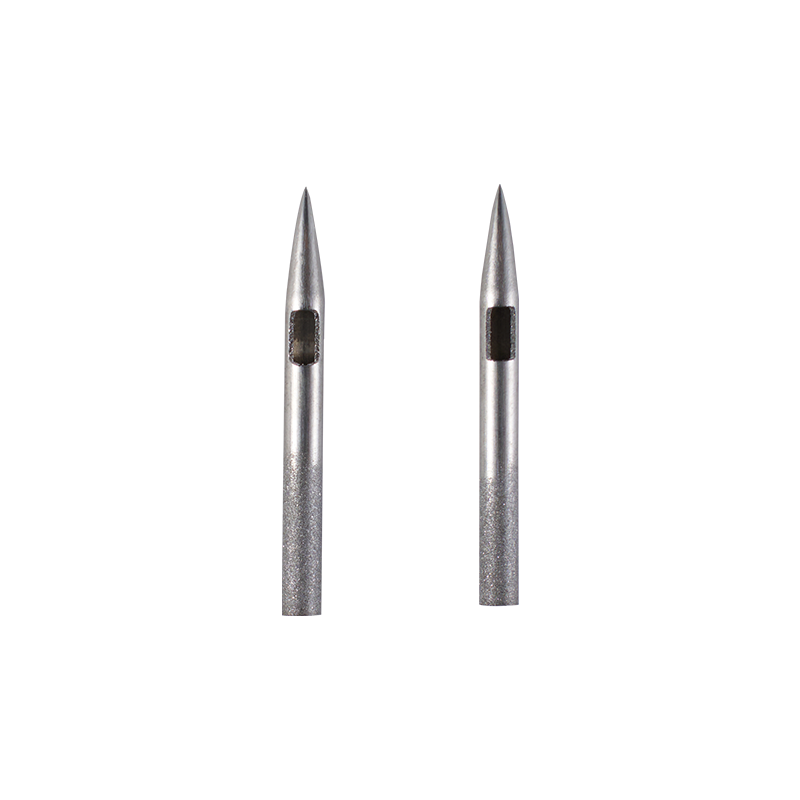
Puncture Needles can directly affect processing consistency, equipment operation, and finished product quality. When production teams encounter irregular penetration, unexpected needle breakage, or frequent replacements, the cause may involve more than operating conditions. Differences in incoming product quality, installation practices, and material compatibility can all contribute to recurring problems. As a manufacturer, we believe that practical quality checks before and during production help buyers identify issues early and maintain more stable operations.

Needles should be checked before they enter the production process. Visible bending, damaged points, surface defects, or inconsistencies in dimensions may affect performance once the equipment starts running.
For industrial buyers, incoming inspection should focus on the characteristics that matter to the intended application. Comparing delivered products with approved specifications and reference samples can help identify unexpected changes before they affect production. Clear inspection records also make communication with suppliers more efficient when a batch requires further evaluation.
A needle that differs from the required dimensions may not fit correctly or perform as expected. Length, shaft diameter, and point geometry should match the equipment and processing requirements.
When sourcing Puncture Needles, buyers should confirm critical dimensions rather than relying on product names alone. This is particularly important when switching suppliers or introducing a replacement model. If the new product has different specifications, compatibility should be assessed before full-scale use.
Repeated failures can increase maintenance work and disrupt production schedules. However, replacing needles without investigating the cause may allow the same problem to continue.
Production teams should review the circumstances surrounding each failure. Useful observations include the material being processed, the needle's condition, equipment alignment, and the operating settings at the time of the incident.
If failures occur in similar conditions, these records can help determine whether the problem relates to product specifications, installation, or the production process. A clear diagnosis is more useful than making several changes at once.
Needle quality can be affected by careless handling after delivery. Loose storage may cause components to strike one another, while poor organization can lead to confusion between similar specifications.
Keep needles in suitable protective packaging until they are needed. Separate products by specification, maintain clear labels, and inspect components before installation. These simple practices help protect the needle point and reduce the risk of using an incorrect product.
A productive supplier relationship involves more than confirming price and delivery arrangements. Buyers should understand how the supplier checks relevant product characteristics and manages specification consistency between batches.
As a manufacturer, we encourage customers to communicate their inspection requirements before ordering. For recurring applications, agreed specifications, retained reference samples, and documented feedback can help both parties investigate quality concerns more effectively.
When a different needle design is being considered, a controlled trial can reveal compatibility issues before the product is introduced across the production line. Testing should reflect actual materials, equipment, and operating conditions.
Buyers should assess penetration quality, visible material damage, needle stability, and consistency across trial samples. The acceptance criteria should be agreed upon in advance so that the results can support a clear purchasing decision.
Reliable production depends on suitable Puncture Needles, consistent inspection, correct handling, and timely communication with suppliers. By documenting recurring problems and verifying specifications before use, industrial buyers can make replacement decisions with greater confidence. As a manufacturer, we recommend treating needle quality control as part of the wider production process rather than an isolated purchasing task. This practical approach helps reduce avoidable interruptions and supports consistent product performance.
Wenzhou Kangyu Medical TREATMENT
+86-0577-86858771
+86-13957709138
No. 626 Airport Avenue, Longwan District, Wenzhou City, Zhejiang Province, China
Contact Us
