
 English
 Español



+86-0577-86858771
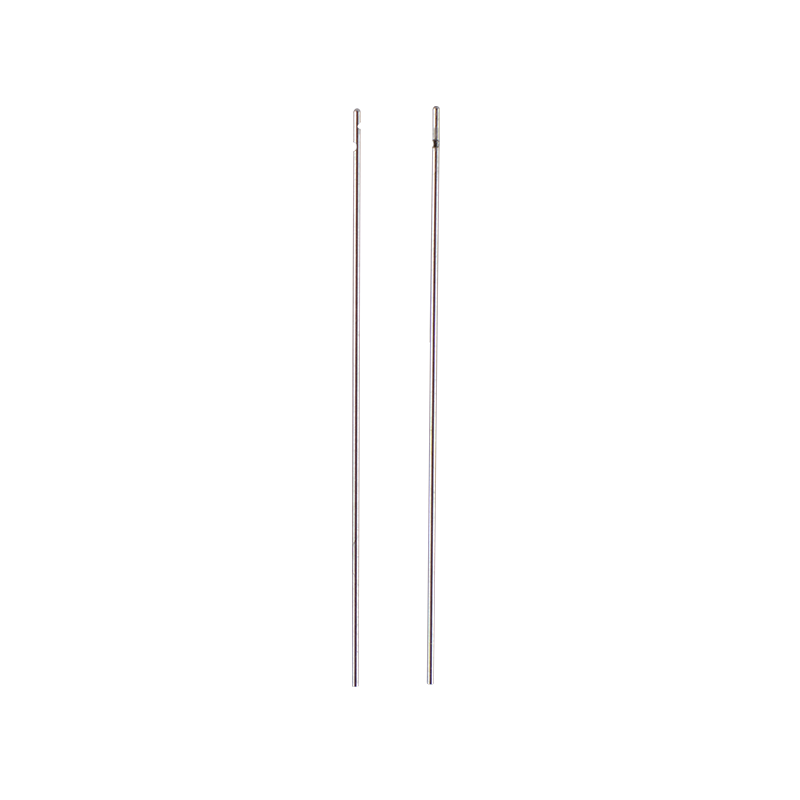
Handling multiple samples and performing routine laboratory tasks often involves the use of Solid Medical Needles and Puncture Needles, instruments that require careful management to maintain safety and procedural flow. The characteristics of these needles, including their structure and handling requirements, can influence how efficiently laboratory staff complete tasks such as fluid collection, sample transfer, and diagnostic testing. Understanding the role of puncture needles in laboratory procedures helps staff implement techniques that reduce delays and maintain controlled operations.
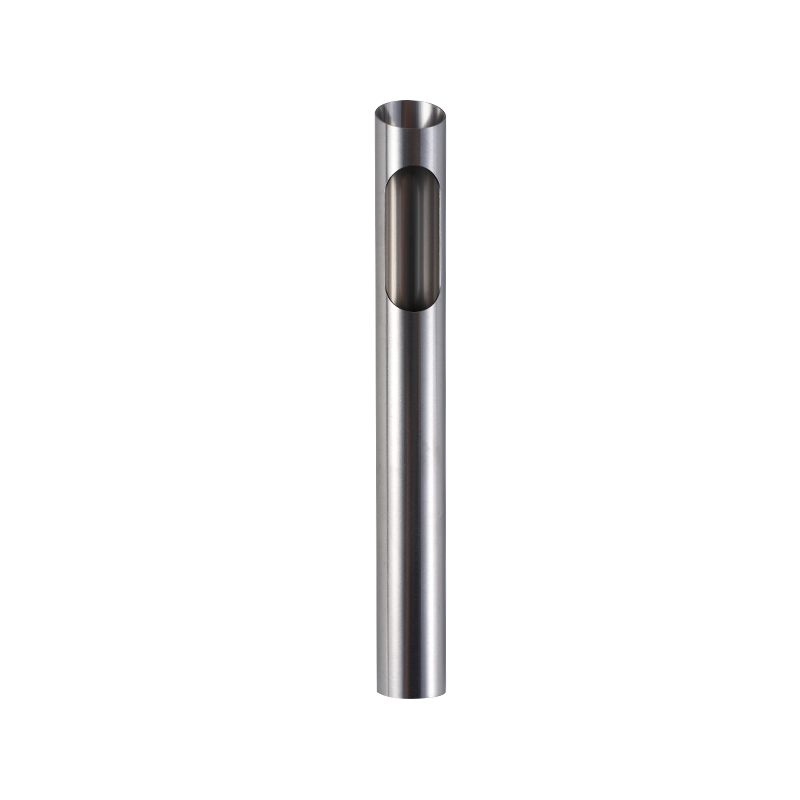
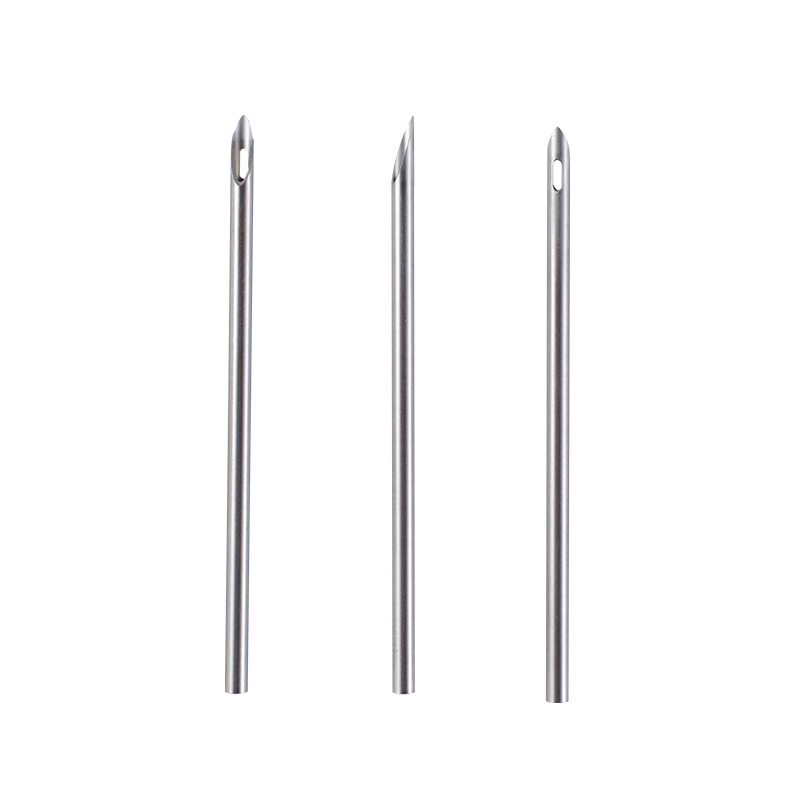
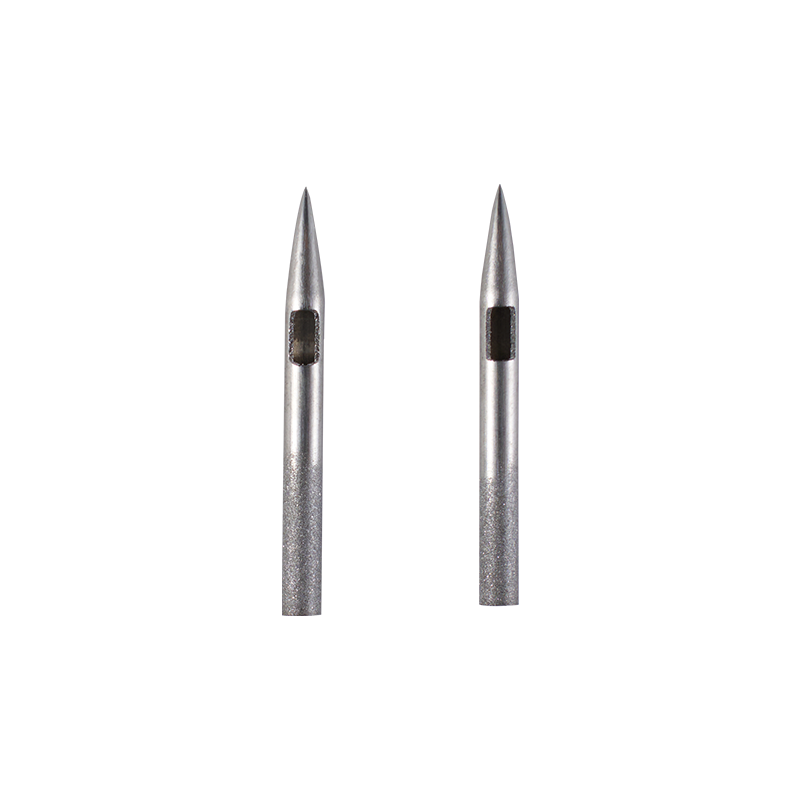
Puncture needles are typically designed with hollow shafts that facilitate fluid transfer, while solid medical needles offer stability for precise insertion. The combination of these needle types supports different steps in laboratory workflows. The rigid structure of solid needles allows consistent control during insertion, while puncture needles enable smooth sampling without repeated adjustments. Selecting the appropriate needle type for each procedure helps maintain consistent handling and contributes to more streamlined operations.
Needle diameter, length, and tip design also influence handling efficiency. Puncture needles with standardized dimensions allow operators to apply uniform pressure and maintain alignment during repeated insertions. Solid medical needles, by contrast, provide firmness that prevents bending or deviation, supporting accurate and stable manipulation. Understanding these structural characteristics allows staff to anticipate handling requirements and reduce interruptions during multi-step procedures.
Efficiency in laboratory procedures is not solely determined by needle design; correct handling practices are equally important. Staff should stabilize sample containers or target areas before inserting needles to maintain a controlled path and reduce the risk of deviation. Consistent insertion angles, hand positioning, and motion help ensure smooth transfers from one sample to another, which is particularly important when processing multiple specimens consecutively.
Sterile storage and inspection routines also affect procedural flow. Ensuring that puncture and solid needles are clean, free from defects, and properly stored allows staff to select the right instrument quickly. Bevel orientation, smooth surfaces, and tip integrity are aspects that can influence the ease of insertion and the speed of handling. These practices help maintain uninterrupted workflow while supporting safe laboratory operations.
Workstation layout and environmental conditions contribute to efficient needle handling. Clear labeling, designated storage for clean and used needles, and organized sample placement allow laboratory personnel to move through procedures without unnecessary delays. Good lighting, uncluttered spaces, and accessible tools reduce the risk of accidental contact or misplacement, supporting smoother transitions between tasks.
Procedural adjustments may also be necessary when sample types or container materials vary. Minor changes in handling technique, such as insertion depth or angle, can accommodate different conditions without slowing down the workflow. Staff awareness and flexibility, combined with the predictable performance of solid medical and puncture needles, allow laboratory operations to continue steadily even when conditions change.
Staff experience and training are key factors in maintaining efficient procedures. Repeated practice with both solid medical and puncture needles improves coordination and confidence, allowing technicians to complete sampling tasks with fewer interruptions. Incorporating hands-on exercises and protocol reviews helps personnel become familiar with needle handling techniques and the specific requirements of different laboratory tasks. This preparedness reduces errors and supports continuous, controlled operations.
When laboratory staff integrate these considerations—needle characteristics, handling techniques, workflow organization, and training—they can maintain efficiency while working with multiple samples. Smooth, controlled procedures allow puncture needles to support timely and orderly laboratory operations, contributing to safer and more organized practices for both solid medical and puncture needles.
Wenzhou Kangyu Medical TREATMENT
+86-0577-86858771
+86-13957709138
No. 626 Airport Avenue, Longwan District, Wenzhou City, Zhejiang Province, China
Contact Us
